

Coffee was once incidental to retail. A convenience. A pause between errands. A place to wait while someone else finished shopping. That version of coffee no longer defines how brands think.
Today, in the Philippines and abroad, coffee has evolved into a strategic tool. It controls pace, shapes emotion, and transforms retail from a place of transactions into a place of habit. Brands that understand this no longer ask whether coffee sells. They ask what kind of behavior it enables.
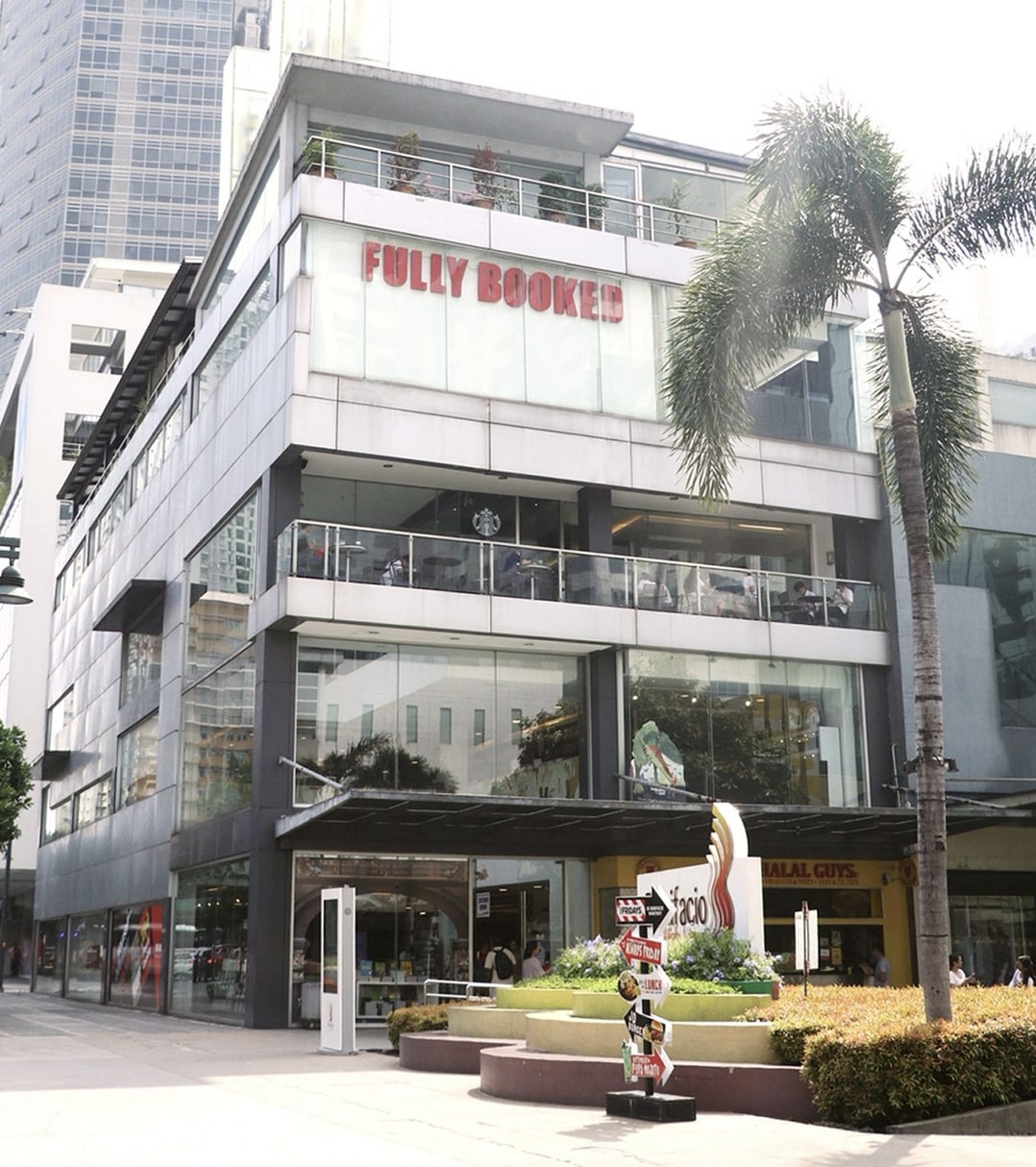
In the Philippine context, this shift is most visible inside Fully Booked. Books already demand time and attention. Coffee legitimizes that slowness. Customers browse longer, sit without guilt, and purchase without feeling pressured. The café does not distract from the shelves. It reframes the entire experience. Buying becomes a natural extension of staying, not a forced conclusion to browsing.
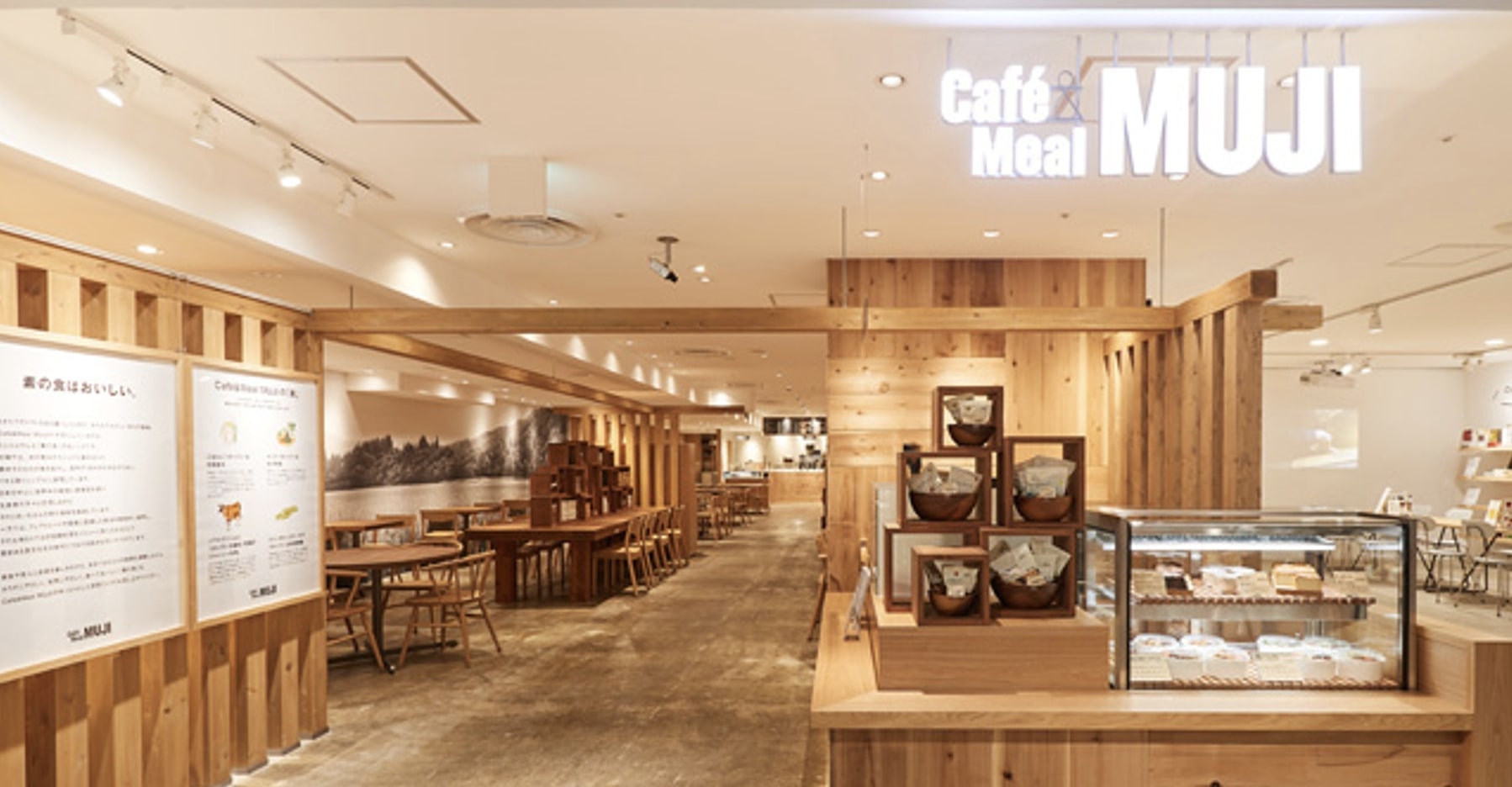
Lifestyle retail now tells the same story more explicitly. Muji has taken a decisive step by opening a full café in its Philippine stores. This is not a side feature. It is a statement. The café completes Muji’s philosophy of intentional living, calm consumption, and everyday usefulness. Customers move seamlessly from household goods to food, from objects to moments. The presence of a café signals that Muji is not simply a place to buy, but a place to pause. In a retail environment often defined by noise and urgency, Muji’s café makes stillness its differentiator.
Department stores offer a quieter but equally instructive lesson. SM Store integrates coffee as a functional solution rather than a headline attraction. Large retail spaces exhaust shoppers. Coffee provides relief. It allows families, seniors, and long-visit customers to reset without exiting the store. Rustan’s elevates this approach, using café culture to reinforce calm and refinement. Coffee here signals that good shopping should feel unhurried, considered, and comfortable.
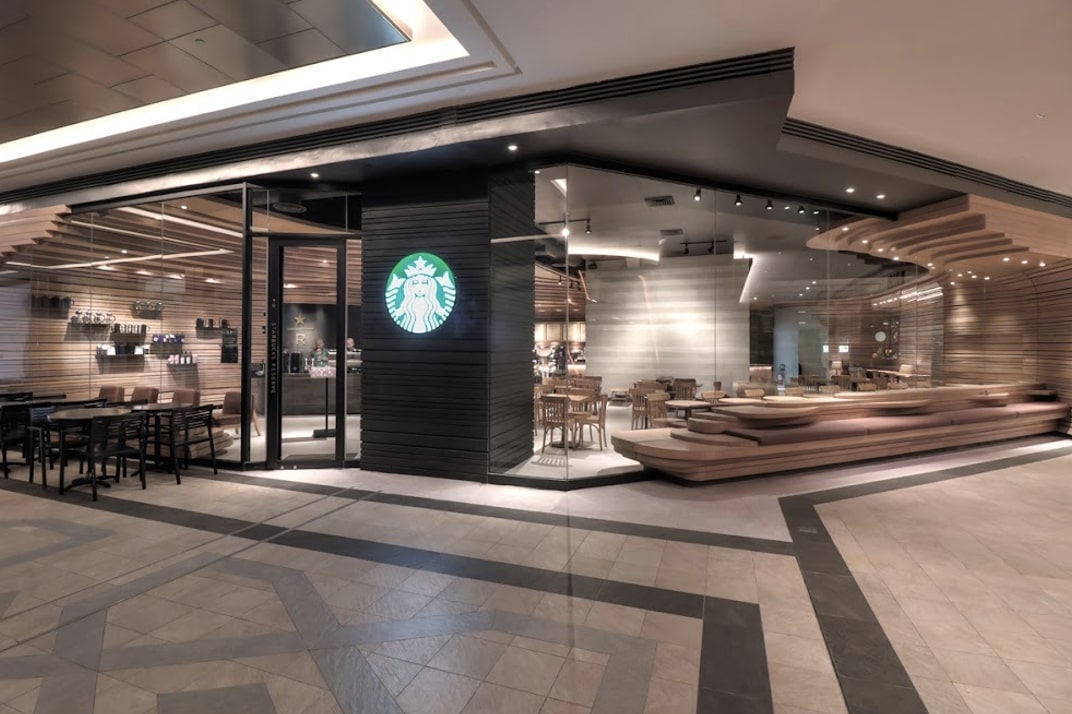
Philippine malls understand this logic at scale. Power Plant Mall, Ayala Malls, and SM Supermalls curate coffee deliberately. Cafés anchor daily routines. Morning meetings. Afternoon breaks. Quiet evenings. Coffee transforms malls from destinations into habits, and habits are the strongest form of loyalty in retail.
Abroad, the same strategy appears with sharper brand signaling, particularly among high-end brands.
In Osaka, Louis Vuitton operates cafés that resemble cultural salons. Coffee is prepared with the same attention to craft as its leather goods. The message is subtle but unmistakable. This brand belongs not only in aspirational moments, but in everyday life.
In New York, Ralph Lauren pushed the idea further. Ralph’s Coffee became a destination in its own right. Customers enter for coffee and absorb the brand’s lifestyle almost unconsciously. The cup becomes an entry point into identity rather than a sales pitch.
London offers another variation. Prada’s café inside Harrods borrows from Italian café culture. Time slows. Lingering is encouraged. Luxury is framed not as urgency, but as ease.
Even brands that do not sell coffee directly borrow its behavioral logic. Apple designs stores like cafés. Seating, natural light, and communal tables invite people to stay, talk, and observe. Purchases come later. The store feels human before it feels commercial.
Across markets and price points, the pattern is consistent. Coffee is not about beverages. It is about tempo control. Brands that slow customers down increase perceived value, emotional attachment, and recall. In the Philippines, where malls function as social commons, this effect is amplified.
Brand Verdict
Retail brands succeed with coffee when it is treated as experience infrastructure, not as a leased corner or a bolt-on amenity. Coffee lowers psychological resistance to spending, extends dwell time without pressure, and reframes shopping as a social act. Brands fail when coffee feels generic, operationally isolated, or disconnected from brand values.
Global luxury brands show that confidence allows retail to host customers rather than rush them. Philippine examples, particularly Muji and mall-led ecosystems, show that calm has become a competitive advantage.
Brand Review Verdict
The strongest retail brands today do not hurry the sale. They design the stay.
Coffee has become retail’s most effective quiet strategy. It builds memory before conversion and loyalty before revenue. In the Philippines and abroad, brands that understand this are not becoming cafés. They are becoming places people return to without needing a reason.
In a crowded retail landscape, that kind of presence remains the rarest currency of all.