

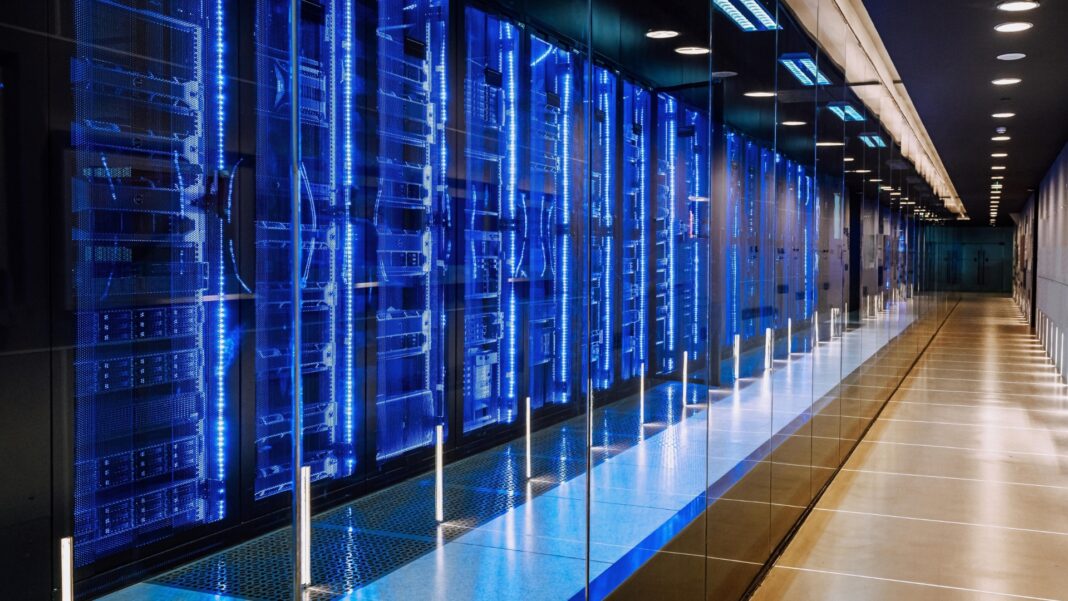

Malaysia’s data centres consumed a record 9.28 percent of Peninsular Malaysia’s total electricity in the second week of August 2026, up from an average of roughly 7 percent earlier in the year, as unusually hot weather pushed up cooling loads. The Energy Commission of Malaysia said the increase does not point to an imminent shortage but is forcing regulators to rethink how large power users are integrated into a grid that is simultaneously retiring coal capacity.
Key Facts At A Glance
- Data centres reached 9.28 percent of Peninsular Malaysia’s electricity consumption in mid-August 2026, versus an average of about 7 percent so far this year
- Peak electricity demand has risen to just over 21 gigawatts amid the current hot spell, with overall consumption about 5 percent higher than a year earlier
- Over 70 percent of Malaysia’s operational data centre IT capacity sits in Johor, currently totalling 0.8 gigawatts of live capacity
- The Energy Commission projects data centres could account for up to 31 percent of Peninsular electricity demand by 2035
- About 3 gigawatts of additional data centre capacity is in the pipeline under the Corporate Renewable Energy Supply Scheme
- Malaysia expects to need roughly 9 gigawatts of new gas-fired generation by 2032 as it phases out coal, with the last coal plant due to retire in 2044
- The Commission maintains a reserve margin of about 25 percent between available capacity and peak demand
- No new gas-fired generation is expected online this year or next, with authorities focused on optimising existing plants through 2027
Malaysia’s energy regulator disclosed the new consumption figure on the sidelines of the Energy Regulatory Insights 2026 event in Selangor on September 8. Energy Commission of Malaysia Chief Executive Siti Safinah Salleh told reporters that hotter-than-expected weather, linked to prolonged El Niño conditions, has forced data centres to draw more power for cooling even without new facilities coming online. The commission had expected temperatures to ease after July and August but conditions persisted, prompting officials to rerun electricity demand projections for the rest of 2026 and early 2027.
Reuters reported that the hot weather has also reduced hydroelectric output as dam levels fell, adding further pressure on the grid. Data centres could represent as much as 31 percent of Peninsular Malaysia’s electricity demand by 2035 under the commission’s upper-end projection, a scenario officials say illustrates how quickly infrastructure requirements could shift if the current project pipeline is delivered.
Economy Minister Akmal Nasir said Malaysia will need to add approximately 9 gigawatts of gas-fired generation capacity by 2032 as the country expands supply while retiring coal-fired plants, with full coal retirement targeted for 2044. Officials said the near-term increase in data centre demand remains within existing planning assumptions and does not signal an immediate shortage, since no new gas-fired capacity is expected online this year or next as authorities instead work to optimise the existing generation fleet through 2027.
Safinah said the regulator previously assumed data centres could be connected and supplied in broadly the same way as other consumers, but the commission must now balance developer and investor interests against system-wide reliability, cost, and environmental considerations. She added that Malaysia has not slowed its renewable energy plans despite energy-security concerns stemming from the Middle East conflict, pointing to the Large Scale Solar 6 programme, which is expected to add 2.5 gigawatts of hybrid solar-and-battery-storage capacity from 2029. She also called for the 2027 national budget to include stronger incentives for energy efficiency and renewable energy investment by consumers and businesses.
The disclosure follows reporting that Australia’s Firmus and OpenAI plan two new AI data centre sites in Malaysia, adding to a broader pipeline of cloud and AI infrastructure investment that is reshaping the country’s long-term power planning.