

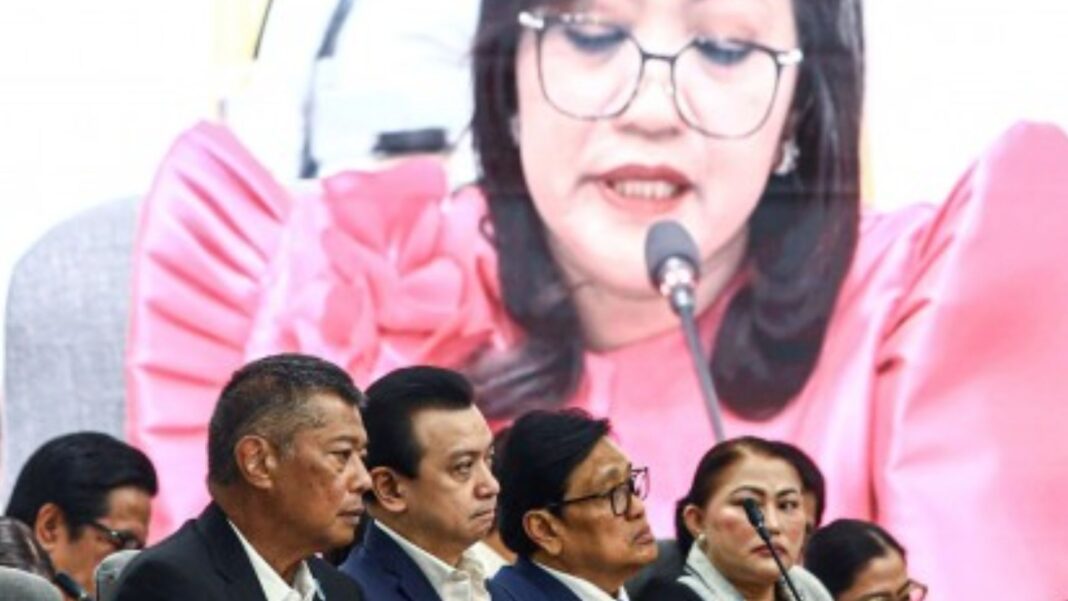

The House of Representatives is acting within its constitutional mandate in conducting hearings on the impeachment complaint against Vice President Sara Duterte, a constitutional law expert said on Tuesday.
Former Integrated Bar of the Philippines president Domingo Cayosa said the Constitution clearly empowers—and obliges—the House to examine impeachment complaints and determine whether these should proceed to trial in the Senate.
“Malinaw naman sa ating Konstitusyon na hindi lamang kapangyarihan o otoridad ng House of Representatives ‘yan, obligasyon nila na mag-imbestiga at suriin ng mabuti kung saka-sakaling may maghain ng impeachment complaint (It is clear in the Constitution that it is not only the authority but the obligation of the House of Representatives to investigate and thoroughly examine any impeachment complaint),” he said in an interview with Radyo Pilipinas.
Cayosa said the ongoing proceedings before the House Committee on Justice are part of determining probable cause, similar to the role of prosecutors in criminal cases.
“Hindi lang po lahat dahil may nag-file ng complaint, kaagad ipa-file sa korte… suriin meron bang basihan ito… kung ito ba can be corroborated (Not all complaints automatically proceed to court… these must first be examined to determine if there is basis and if evidence can be corroborated),” he added.
He explained that the House has two constitutional routes in handling impeachment complaints: one through a direct vote of at least one-third of its members, and another through committee hearings to establish probable cause.
Cayosa noted that the current approach reflects a more cautious process compared to previous cases that went through what he described as an “express mode.”
“Hindi po labag sa Constitution yan… hindi lang tayo sanay kasi nasanay tayo sa express mode (That is not against the Constitution… we are just not used to it because we became accustomed to the express mode),” he said.
He said the impeachment process is a key mechanism to ensure accountability among high-ranking officials.
“Napakahalagang tungkulin ‘yung ginagampanan nila para masugpo ‘yung corruption, magkaroon ng transparency and accountability (They are performing a very important duty to curb corruption and ensure transparency and accountability),” he said.
Cayosa, however, noted that the process would be strengthened if both parties participated in the proceedings, particularly in presenting evidence and testimony.
He pointed out that several government agencies have submitted official documents to the House panel, including records from the Anti-Money Laundering Council, Bureau of Internal Revenue, Commission on Audit, and the Office of the Ombudsman.
“These are official government records… dumaan ‘yan sa matinding proseso… hindi pwedeng ihambing sa mga opinyon lang (These went through rigorous processes… they cannot be compared to mere opinions),” he said.
Cayosa said such documents carry significant weight in determining whether there is sufficient basis to elevate the impeachment complaint to the Senate, which will serve as the impeachment court. (PNA)