

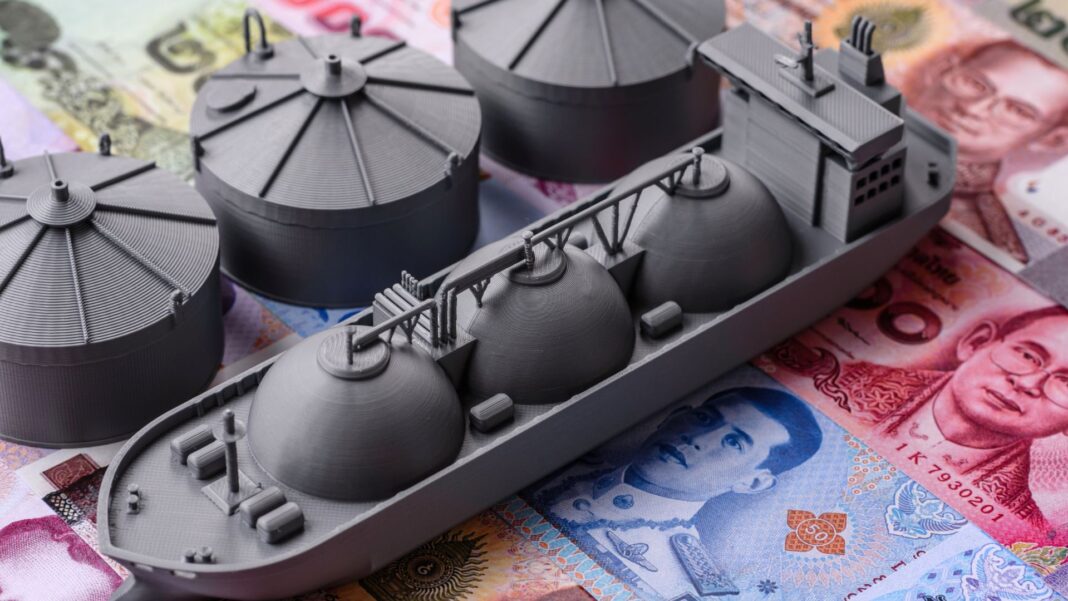

Thailand’s Oil Fuel Fund is considering a new borrowing facility of around 100 billion baht after its deficit reached about 92 billion baht, an Energy Ministry source said in a report published on September 22, 2026. The decision will determine whether Thailand continues to support diesel and petrol price caps or begins passing higher fuel costs to consumers.
Key Facts At A Glance
- The Oil Fuel Fund deficit stands at about 92 billion baht and is widening by roughly 700 million baht a day.
- The deficit is expected to reach 100 billion baht by late September or early October 2026.
- The fund previously borrowed 20 billion baht from two domestic commercial banks, all of which went to repaying existing debt.
- A new borrowing facility may need to reach about 100 billion baht, possibly with a Finance Ministry guarantee.
- The alternative is gradually withdrawing price caps or reducing subsidies, which would raise retail fuel prices.
- The Cabinet approved extending the energy crisis response plan through 2029, keeping a 30-baht-per-litre benchmark for price support.
- Final borrowing terms will follow policy discussions with the Energy Ministry’s new leadership.
Thailand’s Oil Fuel Fund remains short of cash, with a deficit of about 92 billion baht growing by roughly 700 million baht a day, according to an Energy Ministry source quoted by Thansettakij in a report published on September 22, 2026. The source said recent declines in oil prices have not been sufficient to improve the fund’s financial position, and the deficit is expected to hit 100 billion baht by late September or early October 2026. Publicly available reporting on the fund’s current position relies largely on this unnamed ministry source, and official figures from the Oil Fuel Fund Office were not included in the reports reviewed.
The fund is weighing a fresh borrowing facility that may need to reach around 100 billion baht to cover its obligations, a proposal intended to sustain price support for diesel and petrol. The Bangkok Post separately reported that the Oil Fuel Fund Office is considering a new borrowing programme of up to 100 billion baht as the fund’s financial position weakens.
Borrowing History And Terms
According to the ministry source, the fund had borrowed 20 billion baht in its own name, separate from the facility the government established earlier under legislation, with two domestic commercial banks each lending 10 billion baht, and the full amount went toward repaying existing debt. The source added that a further 10 billion baht borrowed the previous week had also been spent, and that any new facility would likely be drawn down in stages.
Any new borrowing would come from domestic commercial banks, with terms depending on prevailing interest rates, and a Finance Ministry guarantee may be required as in the previous round. About 10 billion baht in principal remains outstanding on existing debt, and the fund must continue paying interest on schedule to prevent the debt from becoming non-performing. The size of the facility is to be reassessed after policy discussions with the new permanent secretary for energy and the energy minister.
The Bangkok Post reported that the fund currently subsidises diesel B7 at 8.75 baht per litre and B20 at 12.62 baht, with total support for domestic energy prices expected to approach 110 billion baht.
Alternatives And Policy Context
The ministry source said the fund could instead gradually exit price caps or cut subsidy payments to slow cash outflows, though either step would raise retail fuel prices and require an assessment of consumer impact and possible targeted relief.
Thansettakij reported that the Cabinet approved extending the energy crisis response plan through 2029, retaining a 30-baht-per-litre benchmark for diesel and petrol support while raising the weekly oil price movement threshold from USD 10 a barrel.
The source also identified expanded biofuel use as a priority for reducing import reliance, although biodiesel and ethanol pricing structures remain under discussion because domestic feedstock costs are high. The source cited the Middle East conflict as a continuing risk that could keep international fuel prices elevated despite recent short-term declines.