

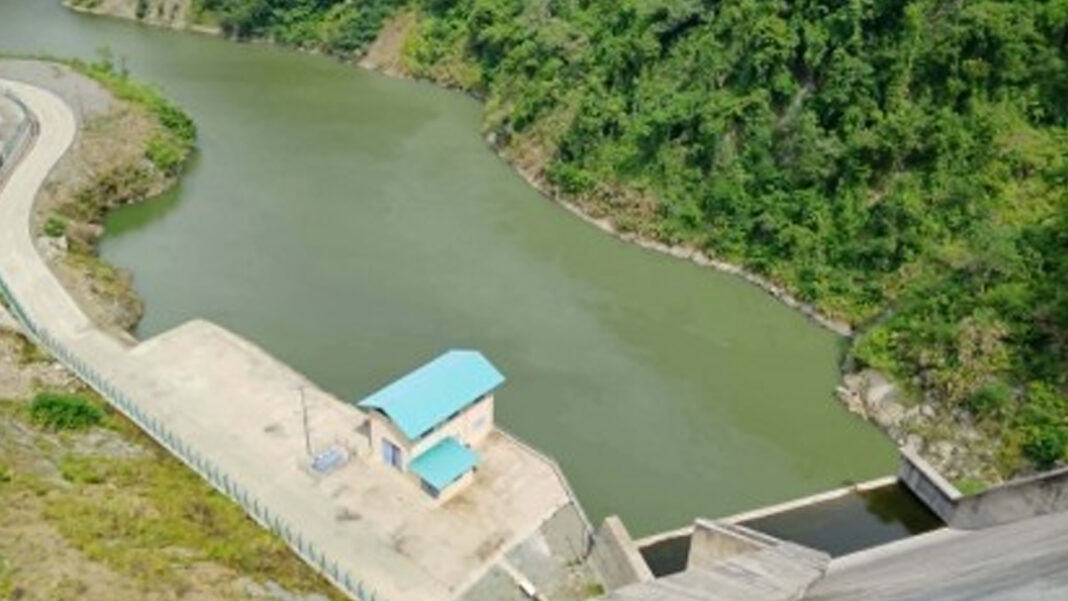

The Bureau of Fisheries and Aquatic Resources (BFAR) and the National Irrigation Administration (NIA) are set to pilot the tilapia livelihood project in a portion of the 500-hectare reservoir of the Jalaur River Multipurpose Project Stage II (JRMP II) in Calinog, Iloilo.
In a media forum on Wednesday, NIA Western Visayas Institutional Division officer-in-charge Steve Cordero said that BFAR has allocated PHP1 million for the project, to be utilized for the construction of a floating fish cage and acquisition of 50,000 tilapia fingerlings that will be released on Friday.
It will be managed by the relocated indigenous peoples (IP) homeowners’ association.
“This is a trial; we will see if tilapia will thrive in our water conditions. If it becomes successful, DENR (Department of Environment and Natural Resources) has committed to succeeding livelihood projects for our IP beneficiaries,” Cordero said.
He clarified that it is not yet part of the commitments for the affected IPs because it is only a trial to determine whether they thrive, to learn best practices, and to identify other learning points they need to improve in managing fish cages.
He said the commitment is to deploy big fish cages in the reservoir.
As part of its livelihood program, about five percent of the 500-hectare reservoir will be allocated for inland fisheries to provide stakeholders with an additional source of income.
A team from BFAR in Mindanao arrived in Iloilo last May to help assess the reservoir, identify fish species that can thrive, and evaluate other feasible inland fishery modalities.
The JRMP II, funded at PHP25.65 billion, is considered the largest irrigation development project in Iloilo.
NIA-6 Regional Manager and JRMP II Project Manager Engr. Jonel Borres said the project is now in its final stretch, with its physical completion already at 86.16 percent as of the end of June this year.
“Our schedule for completion of infrastructure civil works is June 2027, and all others, including project completion reports and documentation, are due in Dec. 2027. By 2028, it will be fully operational,” Borres said.
Currently, they are working on the remaining work for the 80-kilometer high-line canal, main and lateral canals, and appurtenant structures.
In addition to irrigation, the project will provide other benefits, including 6.6 megawatts of hydroelectric power, bulk water, eco-cultural tourism, flood mitigation, and employment. (PNA)