

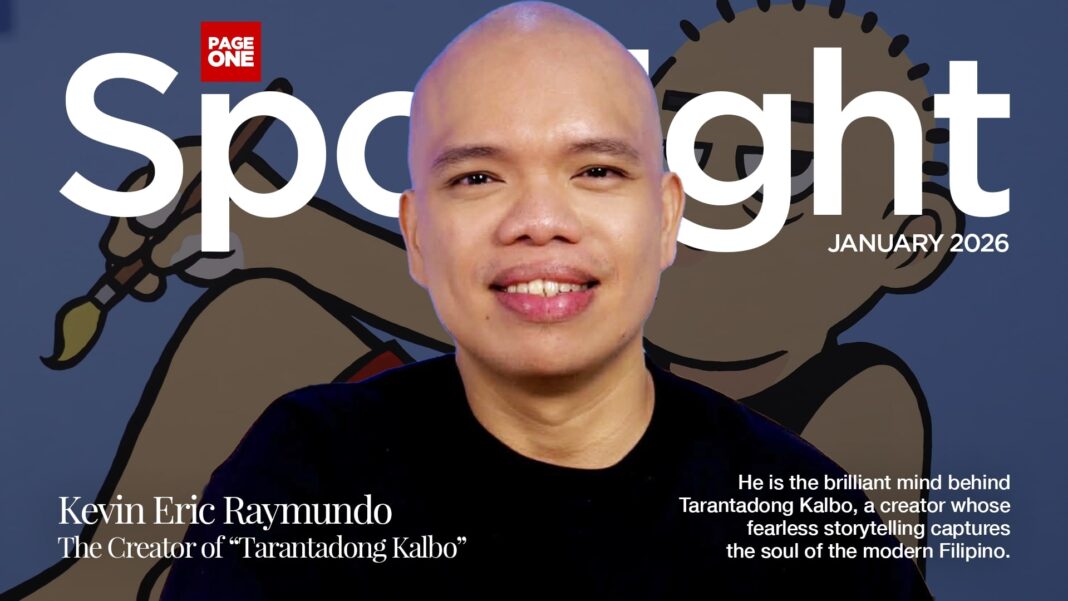

In a digital world flooded with noise, Kevin Eric Raymundo built Tarantadong Kalbo by doing the opposite. His drawings are spare, quiet, and restrained, yet they carry some of the strongest political and social messages in Philippine visual culture today. What looks simple on the surface is actually the result of a deeply intentional philosophy, one that believes meaning becomes stronger when everything unnecessary is removed.
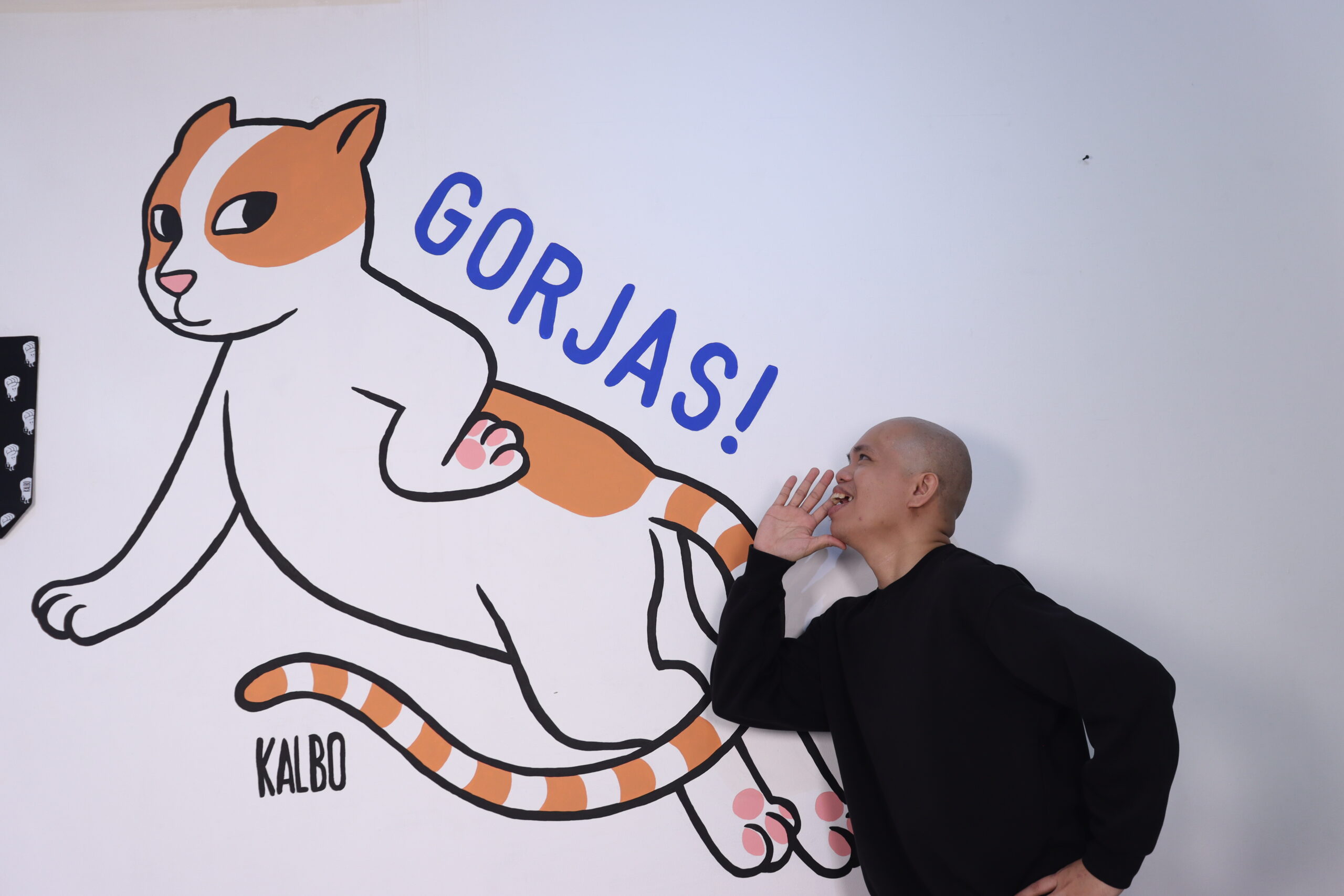
For Raymundo, simplicity is not a shortcut. It is the core of how he tells stories. He approaches every idea as something that needs to be refined before it can speak clearly. “In the world of editorial cartooning, there is no greater creative sin than to spoon-feed or overexplain a concept through redundant labels and heavy-handed embellishments,” he says. He believes that the reader should be part of the artwork rather than just someone who looks at it. That is why he puts every idea through what he describes as a process of filtration, stripping away visual noise until only what truly matters is left. “I treat the initial idea like raw ore, putting it through multiple stages of refinement,” he explains. “I challenge myself to strip away the decorative noise and the superficial details until only the nugget of the concept remains.” What is left may be minimal, but it carries weight. “In the economy of visual storytelling, brevity is power; less is not just more. It is everything.”
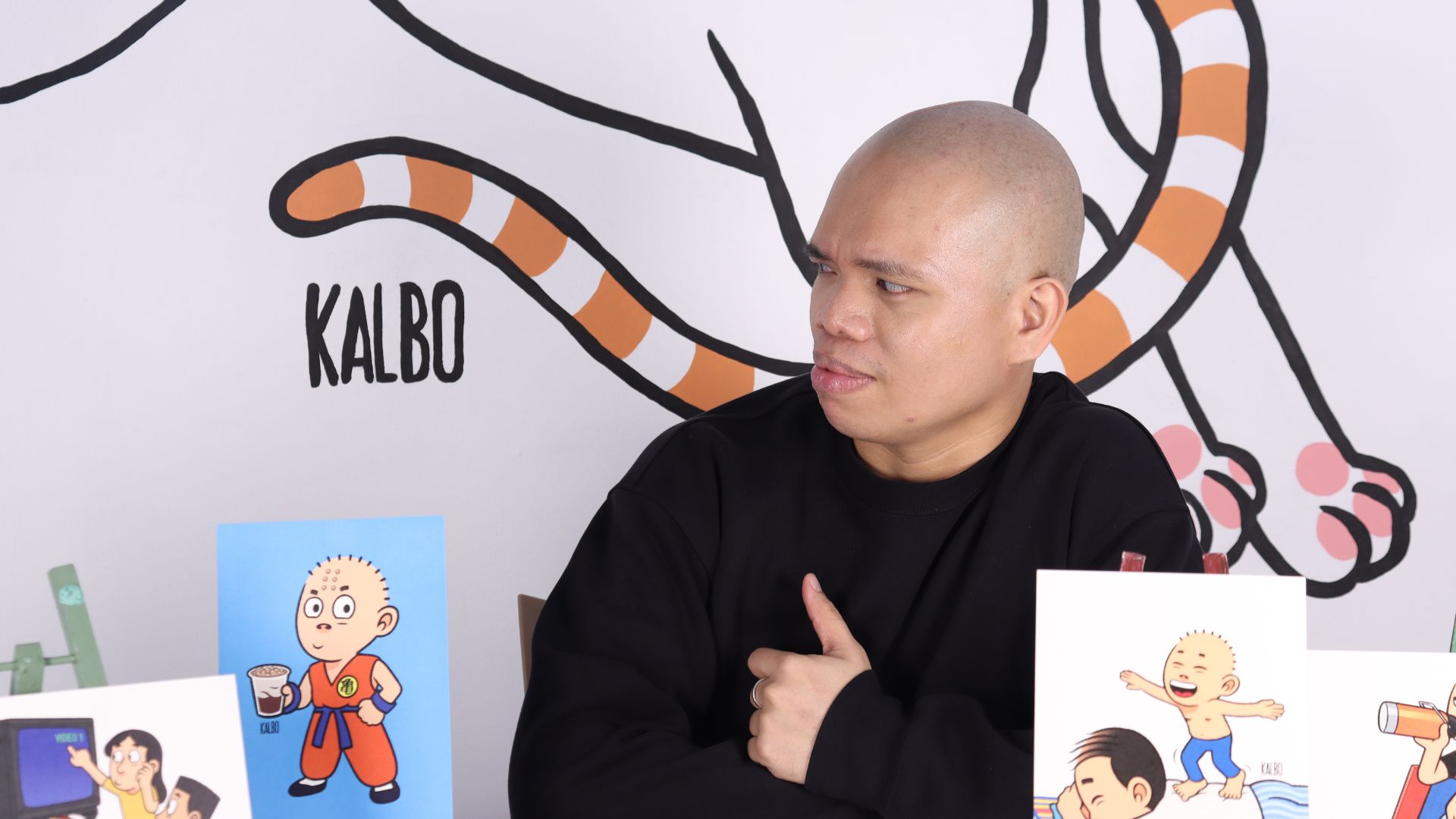
This kind of discipline does not come easily. Raymundo admits that learning how to remove rather than add took years of practice. He learned it through trial and error, slowly understanding that clarity comes from asking the right questions. Every time he considers erasing a line or deleting a detail, he goes back to three things: what is the theme, who is the subject, and what is the core message? If a detail can be removed and the piece still answers all three, then it was never essential. It was just noise.
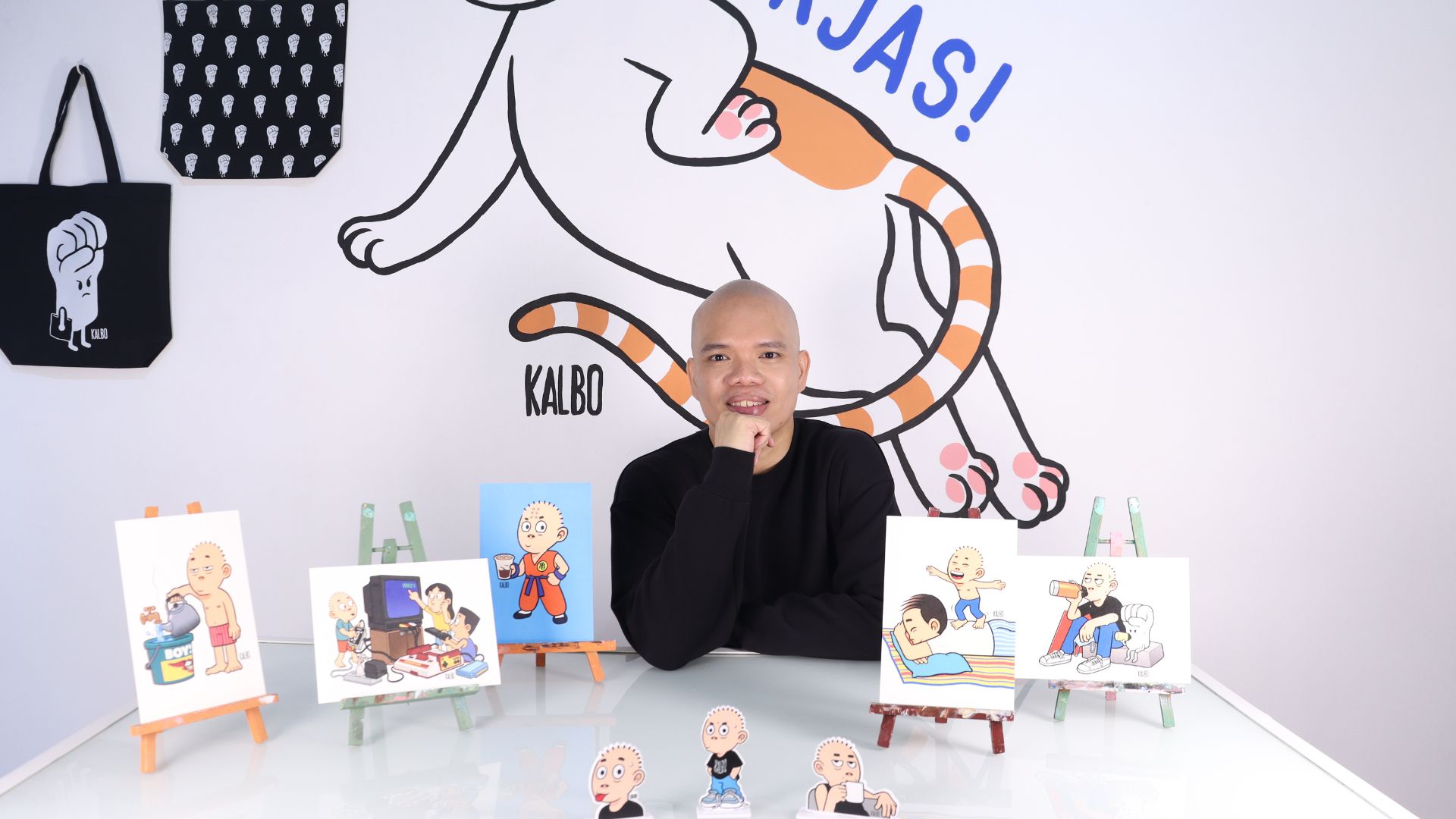
That approach becomes even more important when he draws real people. Rather than labeling characters with names or text, he depends on skill and caricature to make them recognizable. “I believe the art is far more successful when the viewer recognizes a likeness through caricature and craft rather than being told who they are looking at through a name tag,” he says. The work must communicate on its own, without being explained.
In a culture like the Philippines, where visual storytelling often embraces abundance and excess, Raymundo knows that his minimalism is not the norm. He does not even claim that simplicity automatically makes social commentary more accessible. “Minimalism is not the only path to accessibility,” he says. Filipino culture is naturally maximalist, vibrant, crowded, and layered. But that is exactly why his work stands out. Its quietness becomes a form of contrast, a visual pause that makes people notice it in a sea of noise.
That same simplicity, however, is also the reason his work is often underestimated. Raymundo has faced years of criticism from people who mistake clean lines and empty space for laziness. “My work has been underestimated numerous times precisely because of its simplicity,” he says. “It is frustrating how often it is equated with laziness.” Some critics joke that a child could draw it, while others dismiss it without taking time to understand what it is saying. “They see a clean line or a sparse composition and assume no thought went into it,” he adds. What they miss is the discipline behind restraint. Making something look effortless, he insists, requires more work than most people realize.
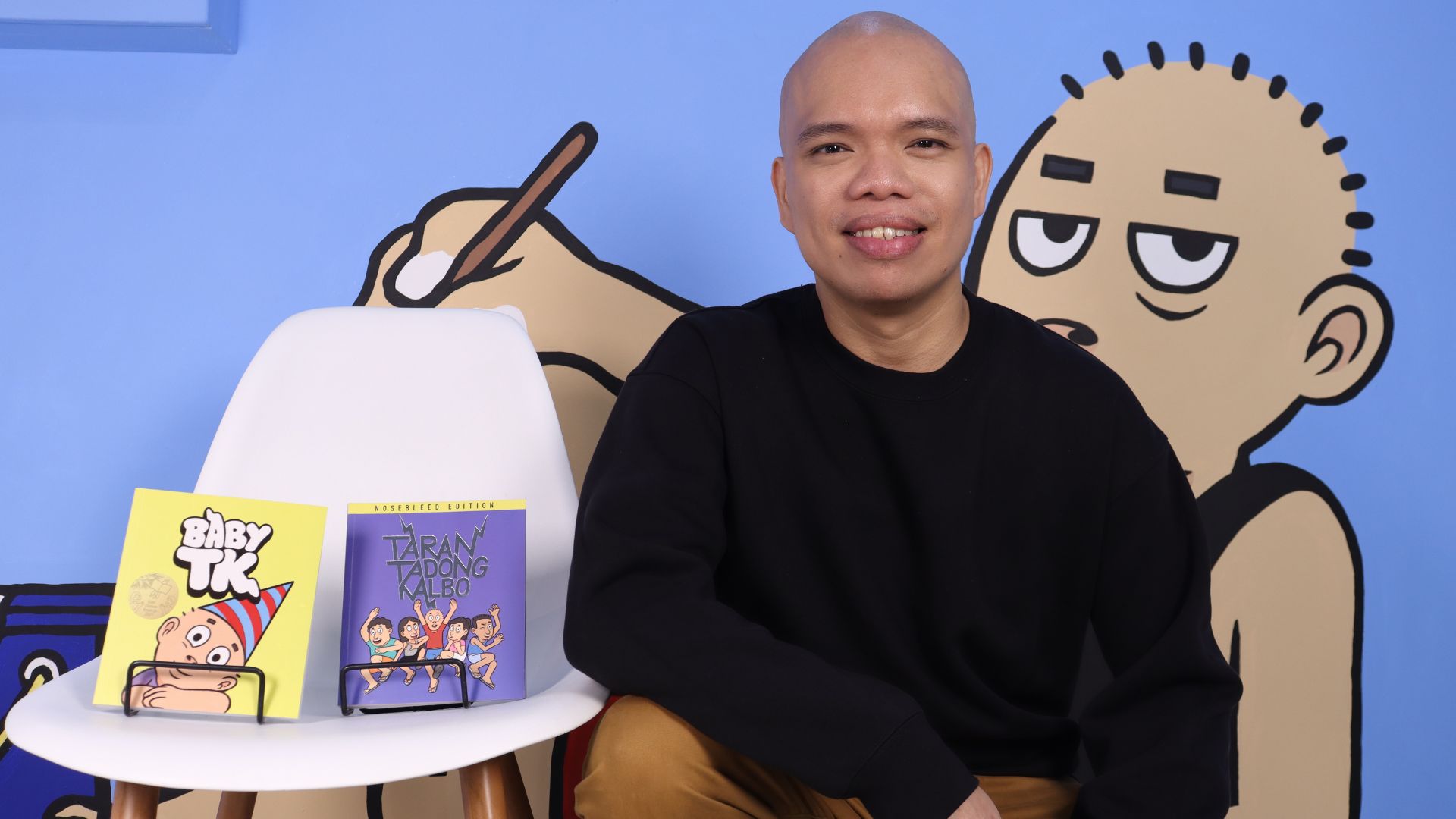
Despite the seriousness of the issues he tackles, humor has always been a part of Tarantadong Kalbo. For Raymundo, the key is knowing when and how to use it. He believes that effective commentary begins with being socially observant. “You have to gauge the general feel of the situation first, then tailor your approach to fit. Know how to read the room,” he says. Sometimes a joke can soften the tension and make a message easier to receive. Other times, it would only weaken the truth. “It is not about hiding who you are. It is about knowing how to be heard, knowing exactly when to soften the blow and when to let the full impact land.”
Through this careful balance of simplicity, humor, and restraint, Kevin Eric Raymundo has built Tarantadong Kalbo into a powerful voice. By choosing less, he has found a way to say more.