


Nearly PHP11 billion intended for the 2026 barangay and Sangguniang Kabataan elections (BSKE) could instead help finance preparations for the 2028 national and local elections if Congress resets this year’s village polls.
Commission on Elections (Comelec) Chairperson George Garcia told a Senate hearing Monday that about PHP10.944 billion of the poll body’s BSKE allocation would remain unobligated should the Nov. 2 elections no longer push through.
“In fact, kung papayagan po kami ng Kongreso during our budget deliberation, in the event talaga that the election will not push through by Nov. 2 because it will now be five years instead of four years, then we will just request Congress… that the PHP10.9 billion, the PHP11 billion more or less, should be used by Comelec na lang in preparation for the 2028 national and local election (In fact, if Congress allows us during the budget deliberations, in the event the Nov. 2 election does not push through because the term will become five years instead of four years, we will request that the PHP10.9 billion, or roughly PHP11 billion, be used by Comelec instead in preparation for the 2028 national and local election),” Garcia said.
Garcia said Comelec would need PHP20.361 billion for the 2028 elections alone, apart from funds needed a year earlier as the poll body begins preparations for the presidential, congressional and local races.
Senate President Win Gatchalian noted that retaining the unused BSKE allocation could reduce Comelec’s future funding requirement, instead of asking Congress for an entirely new appropriation.
“So yung (So the) PHP10 billion savings slash continuing can augment that requirement,” Gatchalian said.
“Definitely, Mr. Chair. Malaking tulong po sa amin (Definitely, Mr. Chair. That would be a big help to us),” Garcia replied.
Comelec has a PHP19.57-billion allocation for the 2026 BSKE, significantly higher than the PHP11 billion to PHP12 billion normally spent for a barangay election cycle.
Garcia attributed the increase to a bigger electorate, additional precincts, higher honoraria for teachers and election workers, additional support personnel, and increased printing requirements.
About PHP8 billion has already been obligated or earmarked, including expenses for ballots and other election materials.
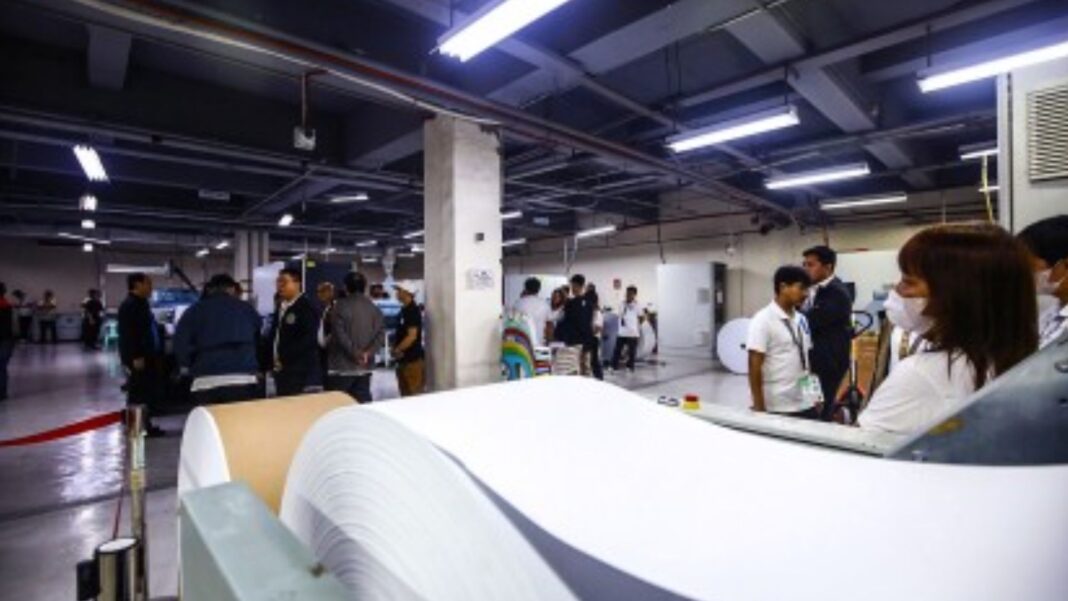
Comelec has finished printing ballots for some 71 million voters, but Garcia assured senators these would not necessarily go to waste if the BSKE is reset.
He said even ballots bearing the 2026 election date could still be used for a later election through a Comelec en banc resolution, while other reusable supplies would remain secured in the poll body’s warehouses.
Comelec has also held off deliveries of election materials with shorter shelf lives, such as indelible ink and pens, while teacher training and some security-related expenditures have yet to be undertaken.
The Senate Committee on Local Government is considering proposals that would fix the term of barangay and SK officials at five years, which could result in the resetting of the Nov. 2 BSKE. (PNA)