

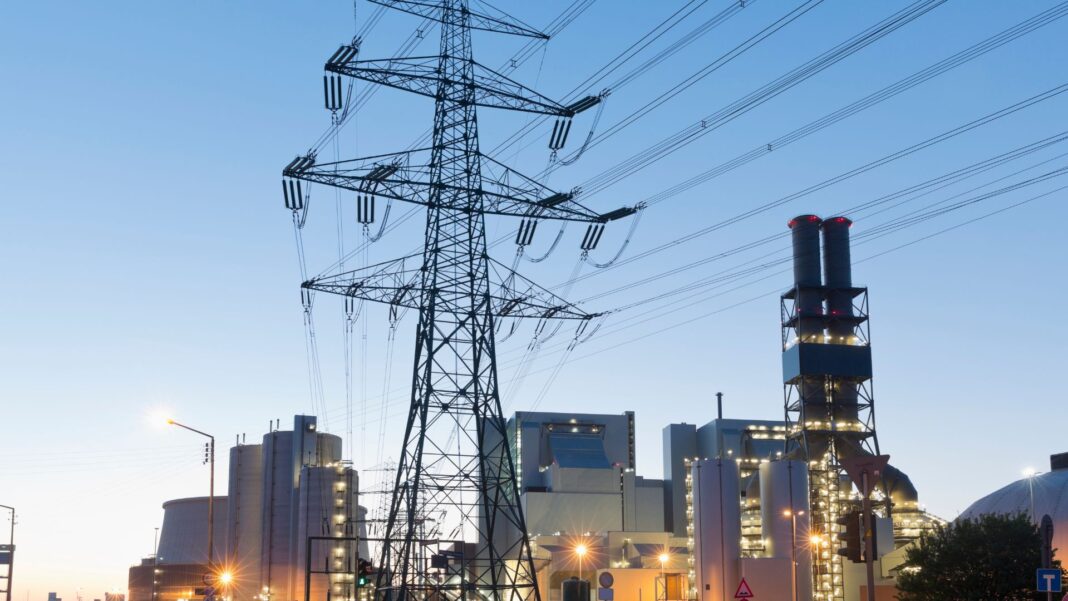

The sharp slowdown in Philippine economic growth toward the end of 2025 is prompting renewed scrutiny of power demand forecasts for 2026, particularly among generators, grid planners, and regulators. With GDP expanding by just 3.0 percent in the fourth quarter, momentum entering the new year appears weaker than previously anticipated.
Electricity demand growth in the Philippines has historically tracked economic expansion, especially household consumption and services activity. The latest data shows both areas losing steam, raising questions about whether earlier assumptions of steady demand growth remain valid. Softer consumption, delayed public spending, and weather-related disruptions all point to a more uneven demand outlook.
For power producers, this environment complicates capacity planning. Baseload generators may see slower growth in offtake, while merchant plants could face heightened competition during off-peak periods. Distribution utilities may also encounter flatter load growth, affecting revenue projections and investment pacing.
Policy implications are equally significant. Energy planners and regulators rely on macroeconomic assumptions when assessing capacity adequacy and approving new projects. A sustained growth slowdown could lead to a more cautious stance on greenlighting large-scale generation or transmission expansions, particularly those requiring long-term demand certainty.
At the corporate level, the focus is shifting from expansion to optimization. Power firms may prioritize efficiency improvements, maintenance reliability, and flexible capacity over aggressive new builds. Renewable developers could also recalibrate timelines, especially for capital-intensive projects dependent on long-term power supply agreements.
The slowdown does not imply an immediate oversupply risk, but it does suggest that demand growth may be less linear than previously assumed. For GridWatch readers, the key takeaway is that power demand in 2026 is becoming a planning variable rather than a given.