


The government is pursuing reforms to improve the ease of doing business, expand skills training, and strengthen micro, small and medium enterprises (MSMEs) to help address the country’s rising unemployment, Malacañang said Wednesday.
Palace Press Officer Claire Castro said the government is working to create a conducive environment for investors to establish and expand businesses in the country, generating more employment opportunities for Filipinos.
“Ang pinakasusi dito ay patuloy na magkaroon ng improvement sa ease of doing business in the country, dahil kapag mas mabilis makakuha ng mga requirements ang isang investor, mas madaling makapasok ang investor at makakuha ng mga kababayan natin na maaaring mag-empleyo sa kanilang mga negosyo (The key is to continue improving the ease of doing business in the country because when investors can secure requirements faster, it becomes easier for them to enter the country and hire Filipinoss),” she said in a Palace press briefing.
Castro’s statement came after the Philippine Statistics Authority reported that the unemployment rate rose to six percent in July, even as the labor force expanded to 52.36 million and total employment reached 49.21 million.
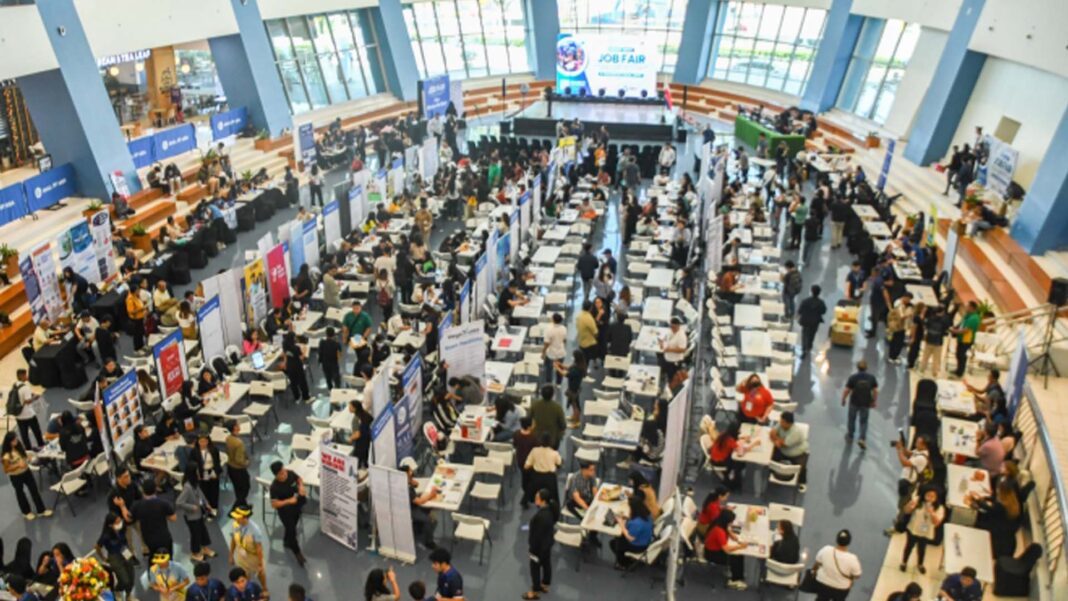
Castro said the Department of Labor and Employment continues to hold nationwide monthly Trabaho Agad job fairs and strengthen placement networks through Public Employment Service Offices, led by local government units.
She also cited efforts to boost MSMEs, saying the growth of small businesses could create additional jobs for Filipinos.
“Nandiyan po ‘yung tax breaks na pinag-iisipan para ‘yung mga small business ay maibsan po ang kanilang maaaring i-shoulder na mga taxes. At ‘pag maliit ang taxes o walang taxes na masyadong maipapataw, mas marami silang negosyong magagawa at mas maraming empleyadong maaring ma-generate (That is why tax breaks are being considered to ease the tax burden on small businesses. If taxes are reduced or there are lesser taxes imposed, they can expand businesses and generate more jobs),” she said.
Castro also emphasized the government’s continuing skills training and upskilling programs through the Technical Education and Skills Development Authority (TESDA), which are aimed at preparing students and workers for employment opportunities.
She said the government is also continuing reforms under the National Education and Workforce Development Plan for 2026 to 2035, aligned with the ASEAN Mutual Recognition Arrangements on qualifications and skills certification.
She added that the government is addressing employment challenges faced by overseas Filipino workers repatriated amid the crisis in the Middle East.
She said the administration would step up efforts to make it easier for businesses to operate while ensuring that workers and jobseekers are equipped with skills relevant to available employment opportunities.
“Pero sa ngayon, nakikita po natin ang pagpupursige ng gobyerno kung paano maiibsan ang issue ng unemployment (For now, we can see the government’s efforts to address the issue of unemployment),” Castro said.
The unemployment rate rose to six percent in July 2026, the highest level since 2022. The increase translates to approximately 3.14 million jobless Filipinos, up from 2.59 million in June 2026.
The surge was attributed to a significant influx of new entrants to the workforce, particularly among young individuals aged 15 to 24, who accounted for a substantial portion of the new job seekers. (PNA)