

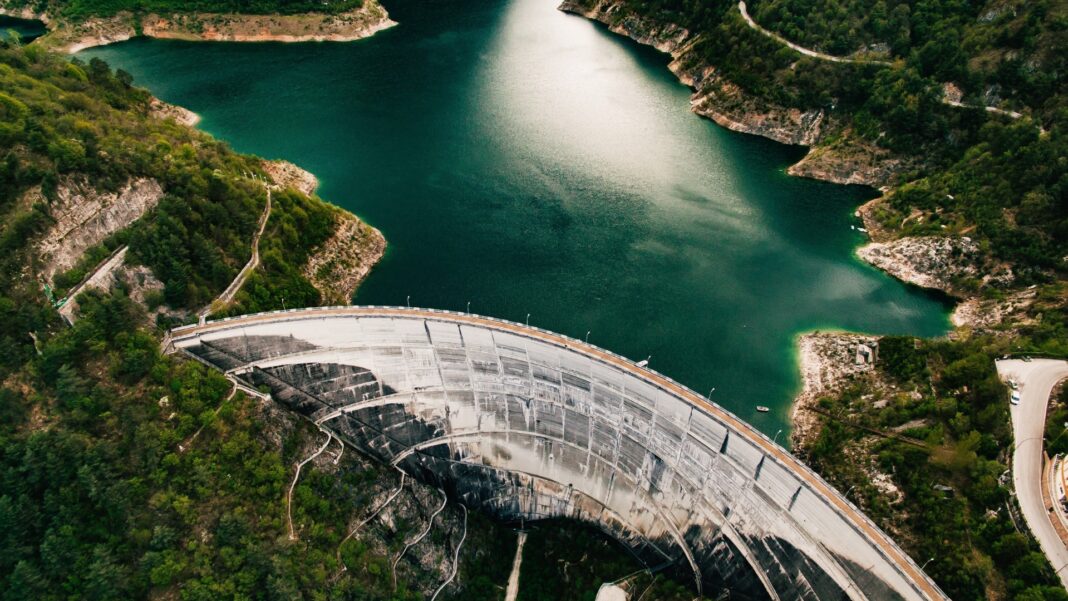

Laos continues to export the bulk of its hydroelectric output to Thailand and Vietnam even as an aging domestic grid leaves its own population facing frequent power outages, according to reporting published this week. A World Bank report cited in the reporting found that Laos’s electricity production has, on multiple occasions, fallen short of both domestic demand and its export commitments, particularly during the March-to-August dry season when hydropower output declines.
Key Facts At A Glance
- Laos brands itself the “Battery of Southeast Asia,” relying on hydropower exports to Thailand and Vietnam as a key source of national revenue
- Almost 80 percent of the electricity Laos generates is exported annually
- Hydropower accounted for roughly 80 percent of Laos’s electricity production as of 2024
- Supply drops during the dry season from March to August, straining both domestic use and export contracts
- Laos has at times had to import electricity at significant cost to meet shortfalls, per a World Bank report
- State utility Electricite du Laos (EDL) manages the national grid while carrying large debts from past expansion and consumer subsidies
- Nearly all of Laos’s population of roughly eight million now has electricity access, up from about 15 percent in 1995
- Vietnam has increased imports from Laos in part through the Monsoon Wind project, the region’s largest wind farm, which became operational last year
Isolated and under-developed, Laos has built its economic strategy around hydropower, positioning itself as the region’s leading electricity exporter to Thailand and Vietnam. Yet the reporting describes a domestic paradox: while dozens of hydroelectric plants send power across Laos’s borders, an aging transmission and distribution grid at home leaves households and public facilities exposed to frequent outages.
In Vientiane, the capital, residents described stepping outside after dark to escape the heat when power cuts hit, using phone lights to move around their homes. At one of the country’s two main public hospitals, a doctor in the pediatrics emergency department said staff have grown accustomed to watching medical equipment shut down until backup generators activate.
The World Bank report referenced in the coverage stated that Laos’s “electricity production has already fallen short of domestic demand and export contracts on several occasions,” pointing to a system strained by seasonal hydropower variability and rising urban demand. With hydropower supplying roughly four-fifths of national output, the dry season between March and August leaves less capacity to spare, sometimes forcing Laos to import power itself.
Thailand remains Laos’s largest electricity trading partner, though Vietnam has stepped up purchases in recent years, including through the Monsoon Wind project. EDL, the state utility responsible for the grid, is separately managing significant debt accumulated during years of infrastructure expansion and consumer electricity subsidies.
Publicly available details on planned near-term fixes to the domestic grid were not addressed in the available reporting.