


To blunt the impact of rising inflation and the Middle East conflict, the government has introduced targeted measures aimed at protecting households and key sectors, according to the Department of Economy, Planning, and Development (DEPDev).
Data released by the Philippine Statistics Authority (PSA) on Tuesday showed that headline inflation accelerated to 4.1 percent in March this year from 2.4 percent in February.
This brought the year-to-date inflation rate to 2.8 percent, still within the government’s 2 to 4 percent target range.
Core inflation, which excludes selected food and energy items, rose to 3.2 percent in March from 2.9 percent in February.
In a briefing, National Statistician Dennis Mapa said the rise in inflation was primarily driven by faster inflation in transport and food commodities.
Mapa said the transport index rose by 9.9 percent year-on-year, reversing the 0.3 percent decline recorded in February.
The inflation rate for diesel in particular was at 59.5 percent, while gasoline was at 27.3 percent.
Food inflation picked up to 2.8 percent from 1.6 percent as rice inflation rose to 3.6 percent after 14 months of deflation.
The PSA also recorded a higher inflation in vegetables at 6.9 percent from 6.1 percent and fruits at 5.1 percent from 3.8 percent.
“The government stands ready to address emerging inflation pressures through strategic, well-targeted, and time-bound interventions, particularly in fuel, transport, and food,” DEPDev Secretary Arsenio Balisacan said.
Balisacan said the issuance and operationalization of Executive Order No. 110, or the Unified Package for Livelihoods, Industry, Food, and Transport or UPLIFT Committee, helps the government identify these strategic measures.
To stabilize domestic fuel supply and ease transport costs, Balisacan said the government has activated the emergency fuel procurement program, with 165.6 million liters of diesel secured for delivery through April.
Toll rebates for public utility vehicles and cargo trucks are also being rolled out on major expressways.
To protect consumers and ensure adequate food supply, anti-hoarding guidelines have been issued to prevent artificial fuel shortages and maintain orderly distribution.
Balisacan said the PHP20 rice program has been expanded nationwide, while logistics support has been deployed to transport vegetables from Benguet to Metro Manila.
Reduced roll-on, roll-off terminal fees for vehicles carrying raw agricultural products will also help keep the movement of food items efficient and affordable.
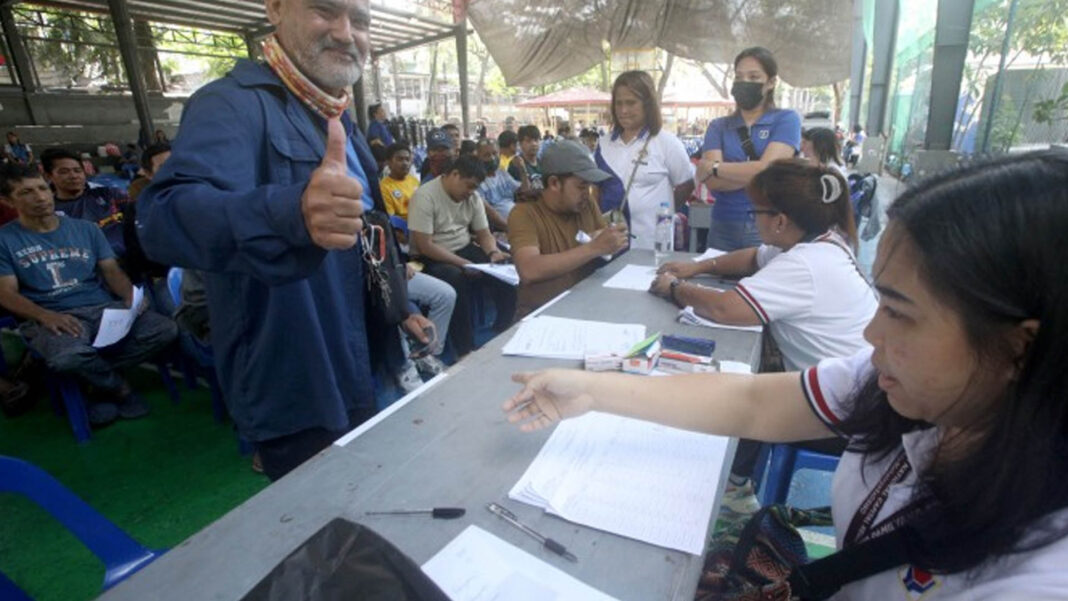
The government also provides targeted assistance to public utility vehicle drivers, farmers, and fisherfolk through service contracting, cash assistance, and fuel subsidies.
“Our immediate priority is to ensure the safety of Filipinos abroad and to deploy timely and tangible solutions by providing critical support for the transport sector, commuters, and industries, while simultaneously diversifying the energy mix,” Balisacan said.
“The government is firmly committed to ensuring the continuous delivery of services, even as we pursue decisive measures to enhance the resilience of our economy and institutions, carefully balancing short-term relief measures and longer-term considerations toward enabling the economy to recover high growth quickly,” he added. (PNA)