

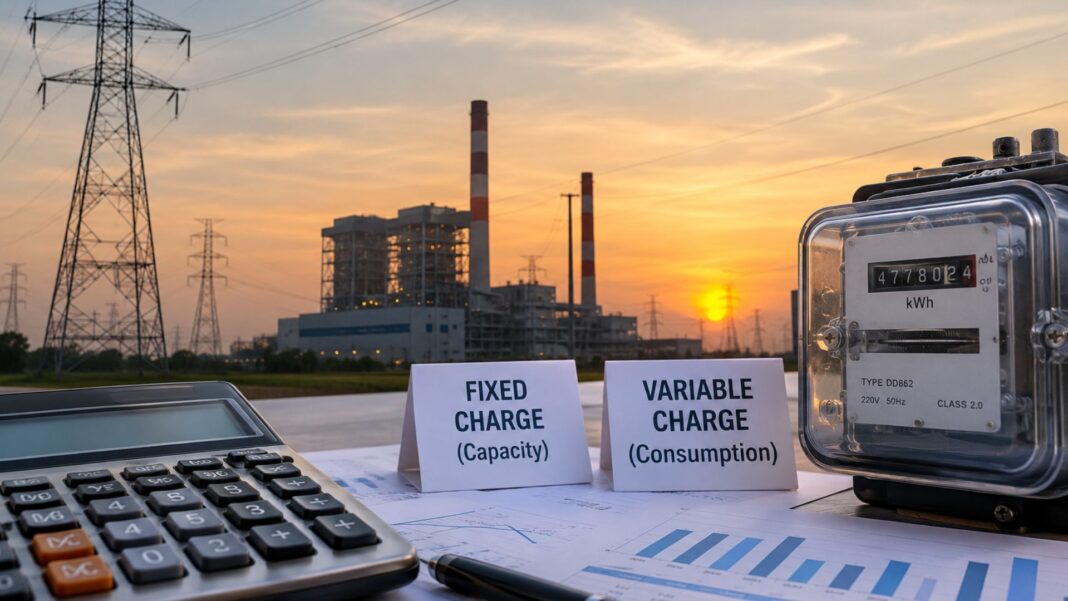

Vietnam Electricity Group CEO Nguyen Anh Tuan said at a September 4, 2026 meeting that the utility is drafting plans for a two-part electricity tariff separating fixed capacity charges from variable consumption charges. The Ministry of Industry and Trade is preparing regulations for a phased rollout beginning with large direct power purchase agreement customers in early 2026 and extending nationwide by 2027.
Key Facts At A Glance
- Announcement made at a meeting on September 4, 2026
- The proposed tariff would separate fixed charges based on registered capacity from variable charges based on consumption
- Vietnam currently applies a single tariff regardless of consumption levels
- The Ministry of Industry and Trade is drafting rollout regulations
- Phased implementation is set to begin with large DPPA customers in early 2026
- Nationwide extension is targeted by 2027
Publicly available details on the September 4 announcement remain limited to a single report. Vietnam Electricity Group CEO Nguyen Anh Tuan said at the meeting that the state utility is drawing up plans to improve pricing mechanisms and policy frameworks, including introduction of a two-part electricity tariff.
The proposed structure would separate fixed charges tied to a customer’s registered capacity from variable charges based on actual consumption, a change intended to reduce cross-subsidies between different customer groups. Vietnam currently applies a single tariff regardless of consumption levels, which does not reflect actual generation costs.
The Ministry of Industry and Trade is drafting regulations for a phased rollout that would begin in early 2026 with large customers under direct power purchase agreements, before extending nationwide by 2027. Former Deputy Director of the Energy Institute Ngo Duc Lam said two-part tariffs are important to implementing direct power purchase agreements and building a competitive power market.
Because this item is based on a single available report, further detail on the specific timeline, pricing formula, or customer thresholds discussed at the September 4 meeting is not confirmed here.