


The 2nd Congressional Commission on Education (EDCOM II) on Thursday identified the need to strengthen early learning support at the household level as a key input to ongoing government reforms in early childhood care and development.
In findings set to be released in its final report on Jan. 26, EDCOM II said fewer than half of Filipino households with children aged 0 to 4 years have basic resources that support early learning and brain development, such as educational toys and children’s books.
The commission said the data underscore gaps in early stimulation at home, particularly among low-income families.
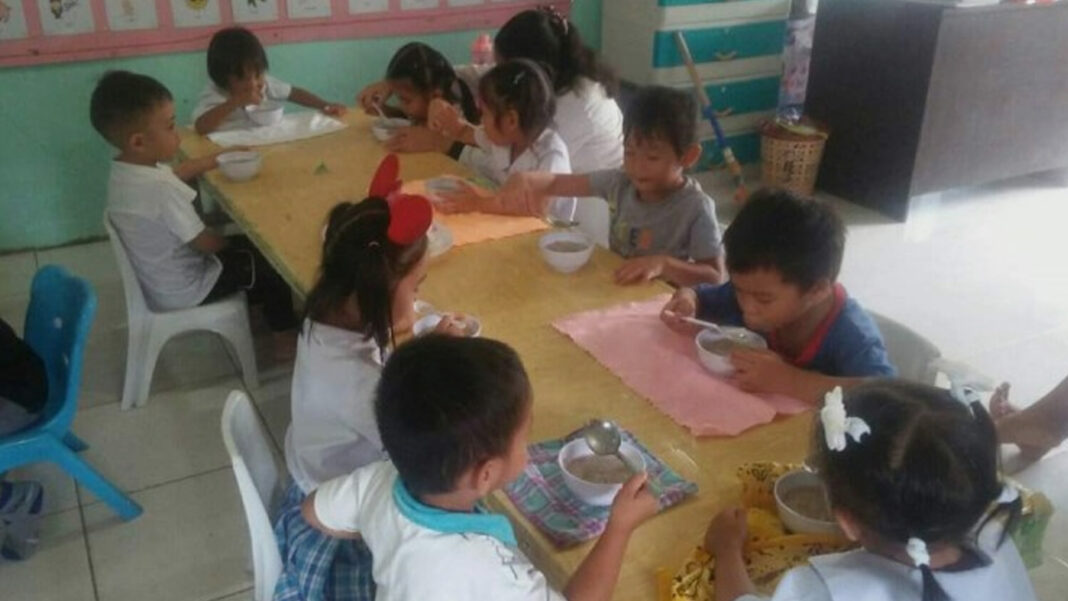
EDCOM II noted that for many children, especially those from disadvantaged households, public Child Development Centers (CDCs) serve as the primary source of early learning support.
However, thousands of barangays still lack functional CDCs, while many existing centers have yet to be upgraded to meet current quality standards.
The commission pointed to wide disparities in local government investment in early childhood learning materials, with some low-income and geographically isolated municipalities allocating minimal funds for CDC resources, resulting in uneven access to early learning opportunities across communities.
Particularly critical, EDCOM II said, is the limited availability of age-appropriate learning materials for children aged 0 to 2 years, a period widely recognized as the most sensitive phase of brain development.
Most existing resources, the commission noted, are geared toward older preschoolers, leaving younger children with fewer opportunities for developmentally appropriate stimulation.
“This is a silent crisis that begins long before a child ever enters a classroom,” said Dr. Karol Mark Yee, executive director of EDCOM II.
“The fact that less than half of Filipino households have access to basic early learning tools like books and educational toys shows how early disadvantage is already taking root.”
Yee said early learning gaps at home, when left unaddressed, could translate into lasting disadvantages when children enter formal schooling.
EDCOM II said the findings support the full implementation of Republic Act 12199, or the ECCD System Act, which mandates dedicated local government funding for early childhood services and the professionalization of the ECCD workforce.
The commission also cited the need for stronger coordination among national agencies, including the National Book Development Board and the ECCD Council, to expand the production and distribution of low-cost, developmentally appropriate learning materials that can be used both at home and in CDCs.
The findings draw from studies conducted by the Philippine Institute for Development Studies and EDCOM II – commissioned research partners, which examined early childhood learning resources and the critical “next 1,000 days” of a child’s development. (PNA)