
Virality has a short memory. What lasts is structure, intent, and the discipline to outgrow the moment that made you visible in the first place.
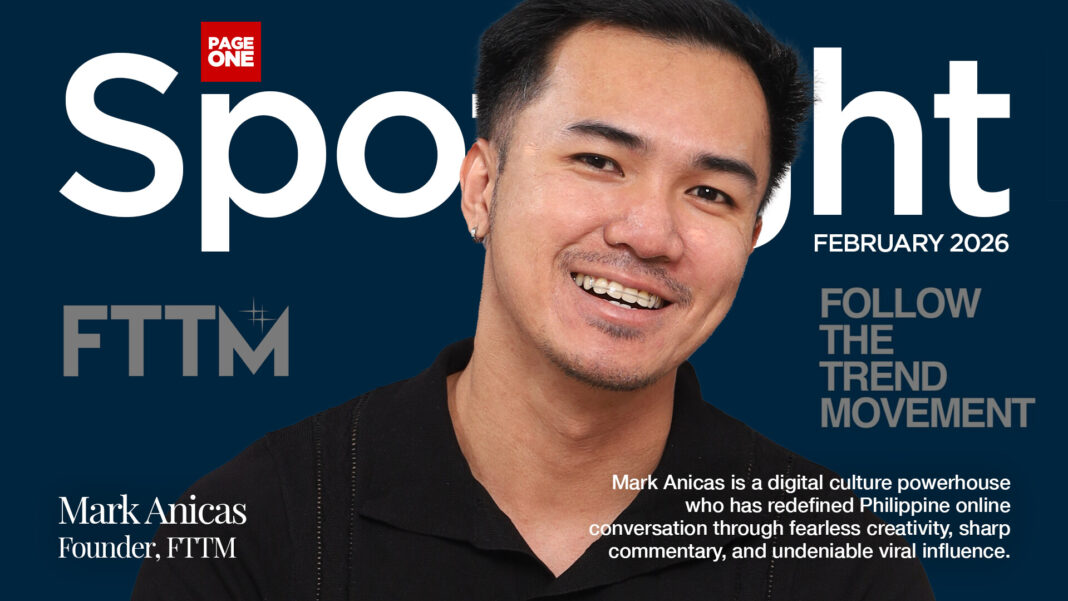
For Mark Anicas, that distinction matters. As the Media Director behind Follow The Trend Movement, he has seen how quickly attention can spike and disappear. The question he now asks is not how to stay loud, but how to stay relevant without losing direction.
Anicas is clear about where he wants FTTM to go. He does not want it frozen around his presence. “I want FTTM to outlive me,” he says. If a platform only survives because its founder is still holding it together, then it never truly became bigger than one person. For him, legacy is measured by whether the work can be carried forward, reshaped, and used by others who understand its values. He resists the idea of a personality cult and instead imagines a platform “with a spine,” one that knows when to be funny and when to stand its ground.
That spine becomes most visible when power tries to pull too close. Anicas is firm about where he draws the line. If FTTM ever turns into a political weapon, he is prepared to stop everything. “I built it to spark conversation and hold power accountable, not to blindly serve any camp,” he says. The moment it becomes a tool for unfair attacks, paid narratives, or propaganda, it loses its reason to exist. He would rather lose reach, followers, or even the platform itself than allow it to damage public discourse. Transparency, for him, is non-negotiable. If pressure comes from powerful groups, he believes naming it is part of protecting trust.
Looking ahead, sustainability also means moving beyond the screen. FTTM is expanding into initiatives designed to reach the youth offline, including conferences focused on why engaging with serious and meaningful issues matters for the country. Planned for launch within the year, these efforts signal a shift toward social responsibility that goes beyond posting content. Anicas sees this as something future creators can learn from: that influence does not end with engagement, and that platforms can exist as learning spaces, not just distribution channels.
When asked what he hopes people remember about FTTM, Anicas does not reduce it to a single trait. Humor comes first. It is what opened the door and made heavy topics easier to approach. Truth telling gave the work its weight, ensuring the jokes were never empty. Relief mattered too, especially in a political climate that often feels exhausting. Influence, however, is the most delicate part. He does not want it tied to ego or blind loyalty. He wants it to encourage questioning. “If the page shaped discussions in a way that encouraged critical thinking instead of blind loyalty, then that’s a legacy I can stand behind,” he says. In his ideal version, FTTM is remembered as funny but grounded, bold but fair, sharp without being cruel.
When FTTM Media Director, Mark Anicas talks about redesigning social media in the Philippines, it is less about technology and more about responsibility. That same balance shapes how he imagines social media itself.
He starts with truth. In his view, platforms should make facts easier to see than lies, not bury corrections under small labels or allow misinformation to outrun accountability. Repeat peddlers of fake news, especially during elections and national crises, should not be rewarded with reach. Political ads and sponsored content should be clearly marked, not disguised as organic opinion. Transparency, he believes, is the minimum requirement for trust.
But truth alone is not enough if the system is built to reward anger. Anicas is critical of algorithms that thrive on outrage, the kind that amplifies the loudest and most extreme voices while tearing communities apart. He imagines platforms that value context over conflict, that encourage creators to add meaning instead of chasing reaction. Virality should not come at the cost of understanding.
Safety, too, is part of the design. He speaks about stronger protections against harassment and doxxing, about making it easier and faster to report coordinated disinformation and abuse with real consequences attached. People should be able to speak, question, and participate without fear. Digital literacy, he adds, should not be optional. Short, built-in tools that help users spot manipulated clips, fake screenshots, and misleading narratives could shift how people consume content, not just what they consume.
What Anicas ultimately envisions is a social space that still feels alive. One where humor, art, culture, and debate exist side by side, but where hate is not rewarded and disagreement does not automatically become destruction. A place where conversation feels grounded, connected to real communities, and guided by accountability rather than chaos.
It is the same principle that has shaped Follow The Trend Movement from the start. To inform without deceiving. To entertain without harming. To influence without abusing power.
In a digital landscape obsessed with speed, Mark Anicas insists on something harder and more lasting. The meaning, and if people continue to follow FTTM the way he imagines it, safely, thoughtfully, and with intention, then FTTM and the people behind it was never just about keeping up with what’s viral. It was about building something worth standing behind long after the noise fades.