


The Apayao provincial government is training local guides and support personnel to assist researchers conducting studies in the province’s 300,000-hectare UNESCO-designated biosphere reserve.
Governor Elias Bulut said the province has opened a biosphere research center to serve local researchers, international academic institutions and scientists.
“There are many countries whose students and researchers in biology, zoology and ecology are required to complete field studies as part of their courses. With our declaration as a biosphere reserve, Apayao is now among the areas where these studies can be conducted,” Bulut said in an interview Tuesday.
He said the province will collect fees from research activities, with proceeds going to the biosphere reserve fund.
“Because researchers will be entering forests, mountains and other protected areas, they will need local guides who know the terrain. We are currently training guides for this purpose, and this will also provide an additional source of income for our local communities,” he said.
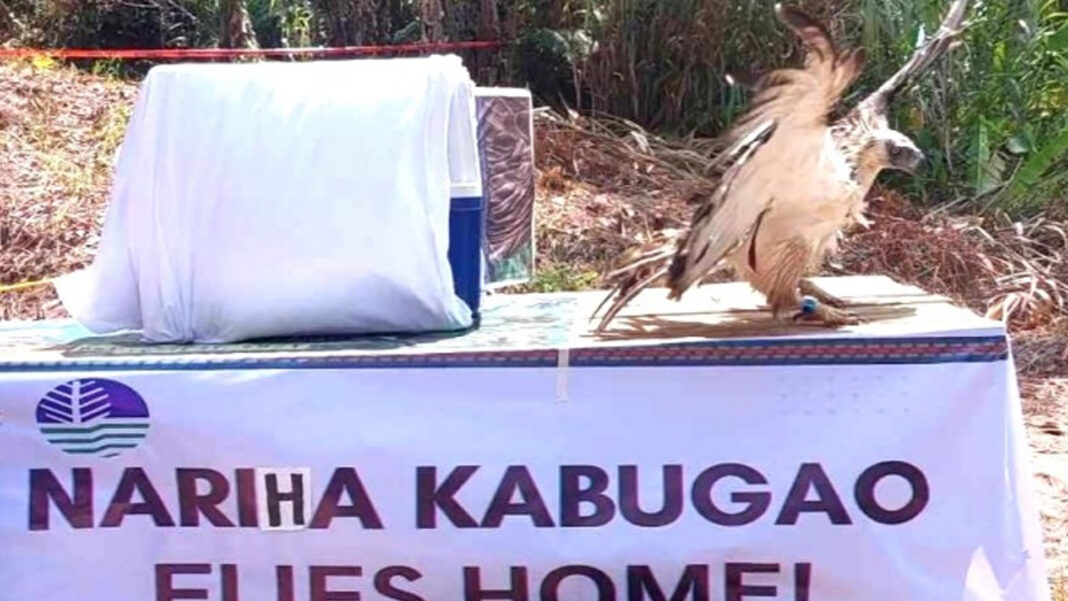
The United Nations Educational, Scientific and Cultural Organization declared Apayao a biosphere reserve in July 2024. It is one of four UNESCO biosphere reserves in the Philippines and the only one in northern Luzon where the Philippine eagle is known to nest.
Bulut said the Philippine Eagle Foundation has also encouraged companies to invest in Apayao through carbon credit programs.
He said the province is positioning itself as a beneficiary of carbon sequestration initiatives.
“Under this system, companies that generate carbon emissions compensate areas that help protect the environment. Provinces like Apayao, which preserve their forests, receive a share of these payments that will benefit the people helping protect the biosphere,” he said.
The provincial government is also identifying protected zones outside alienable and disposable lands while considering the traditional farming practices of local communities that depend on natural resources for their livelihood.
Bulut said environmental protection must be balanced with the needs of residents.
“We cannot ignore our people when they ask about their hunting grounds or their source of wood for cooking and other needs. While we protect the forest, our communities must also benefit from it,” he said.
Apayao’s protected area now covers about 300,000 hectares.
Bulut said he hopes neighboring Abra and Kalinga will also pursue biosphere reserve recognition since they share the same mountain ecosystem, which he described as a valuable area for environmental conservation and investment. (PNA)