

Indonesia’s Minister of Energy and Mineral Resources, Bahlil Lahadalia, said on October 15, 2026 in Karawang, West Java, that about 11,000 villages nationwide still lack electricity access, and asked local governments and PT PLN (Persero) to identify villages, hamlets, and households that need service. The directive supports the government’s target of electrifying all villages by 2029 to 2030 and sets out the scope of distribution network expansion still required across the country.
Key Facts At A Glance
- About 11,000 villages in Indonesia lack electricity access, and millions of households do not have their own connection, according to the Energy Minister.
- Local governments and PLN have been asked to identify villages, hamlets, and households needing service, with full village electrification targeted for 2029 to 2030.
- In Dusun Prau Bosok, Karawang, the 2025 Village Electricity Program (Lisdes) built 0.549 circuit km of medium-voltage line, 0.91 circuit km of low-voltage line, and a 50 kVA distribution substation for 93 prospective household customers.
- Recipients of the New Connection Assistance program (BPBL) receive home wiring, testing and an operating certificate, a 900 VA PLN connection, and a Rp100,000 starter token.
- Karawang’s 2026 BPBL target is 683 households: 299 energized, 360 installed and awaiting activation, and 24 still being wired.
- In West Java, Lisdes reached 210 locations and 10,893 customers in 2025, and BPBL reached 15,831 households in 2025 with 25,000 targeted for 2026.
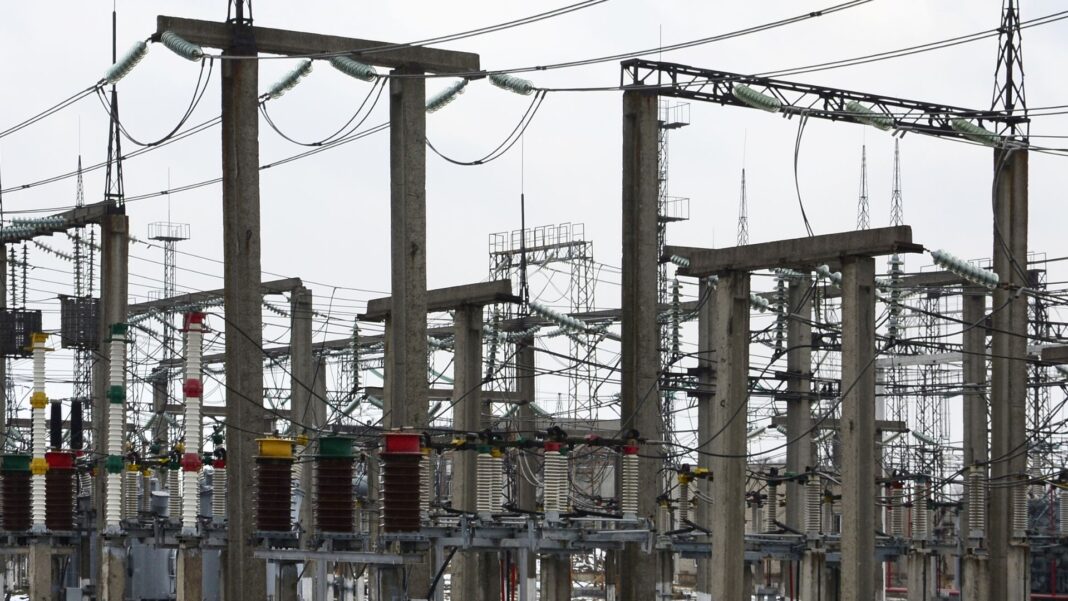
Bahlil Lahadalia, who serves as Coordinating Minister for Downstreaming and Energy Transition and as Minister of Energy and Mineral Resources, made the statement during an inspection of Lisdes and BPBL in Desa Muara Baru, Cilamaya Wetan District, Karawang Regency, on October 15, 2026. He inspected distribution poles and the substation, switched on kWh meters, and spoke with beneficiary residents.
He said about 11,000 villages nationwide still lack electricity access and millions of homes lack their own connection. He asked local governments and PLN to keep identifying villages, hamlets, and households needing attention so every village in Indonesia can have electricity by 2029 to 2030. The ministry’s press release did not give a provincial breakdown of the 11,000 villages or a budget figure for the national program.
Karawang Project Details
Electricity had long reached the coastal Cilamaya area, but low voltage limited supply, and some families still drew power from neighbors’ homes because they had no connection of their own. Under the 2025 budget year, Lisdes built 0.549 circuit kilometers of medium-voltage network, 0.91 circuit kilometers of low-voltage network, and one 50 kVA distribution substation in Dusun Prau Bosok, intended to serve 93 prospective household customers.
BPBL recipients receive home electrical installation, testing and an operating worthiness certificate (SLO), the cost of connecting to the PLN grid at 900 VA, and a first electricity token worth Rp100,000. Bahlil described the two programs as complementary: Lisdes builds and strengthens networks in areas not adequately served, while BPBL helps low-income households get their own connection without relying on neighbors.
Regional Figures
In Karawang Regency, BPBL reached 915 households in 2025. The 2026 target is 683 households, of which 299 are energized, 360 are installed and awaiting activation, and 24 are still being wired. In Cilamaya Wetan District alone, the 2026 target is 52 households.
At the West Java provincial level, Lisdes reached 210 locations and served 10,893 customers in 2025. BPBL reached 15,831 households that year and targets 25,000 households in 2026.
Publicly available details on the national rollout remain limited to the ministry’s October 15 press release and subsequent media coverage, which focus mainly on the Karawang site visit and West Java figures.