


The Office of Civil Defense (OCD) on Monday said Panatag Pilipinas 3.0, to be launched in schools this Tuesday, aims to educate students and teachers on the various hazards affecting the Philippines as part of ongoing efforts to beef up the country’s resiliency efforts.
The program is part of the country’s observance of the International Day for Disaster Risk Reduction (IDDRR) with the localized theme “Panatag na Tahanan at Paaralan.”
The IDDRR also coincides with ASEAN Day for Disaster Management (ADDM), observed annually on Oct. 13.
“Panatag Pilipinas 3.0 is an expanded campaign by the OCD and the World Bank that brings educational videos and other learning materials on various hazards directly to schools, using them as platforms to build a culture of preparedness and resilience among students, teachers, and the wider school community,” the OCD said in a statement.
Panatag Pilipinas features 28 videos covering preparedness measures for various hazards, including earthquakes, tropical cyclones, landslides, tsunamis, volcanic eruptions and floods.
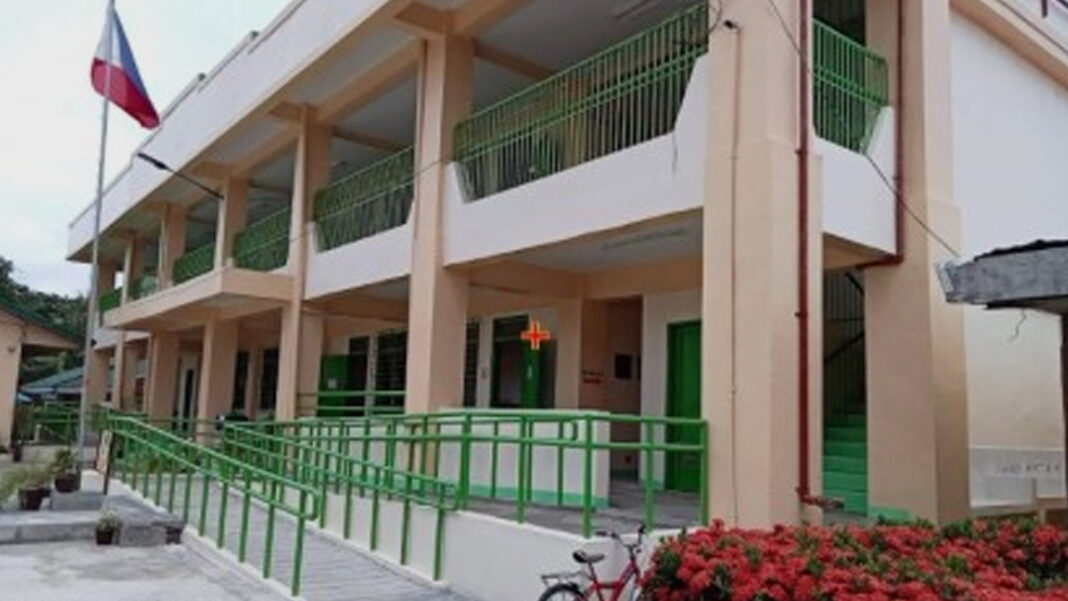
Materials will be distributed to schools nationwide, with the Department of Education and the Presidential Communications Office joining the launch at Rizal High School.
“Schools have been chosen as the center of the Panatag Pilipinas 3.0 campaign launch in recognition of their vital role in developing knowledge and skills for preparedness. The campaign highlights that what students, teachers and other members of the school community learn in school can be brought home and shared with their families and communities,” OCD administrator Undersecretary Harold Cabreros said.
Cabreros said disaster preparedness is not limited to the classroom, noting that knowledge and skills developed at home can also be shared in schools and with other members of the community.
Through practical information on hazards and preparedness measures, Panatag Pilipinas 3.0 aims to encourage students, teachers, families, and communities to apply what they learn and incorporate preparedness practices into their daily lives. (PNA)