

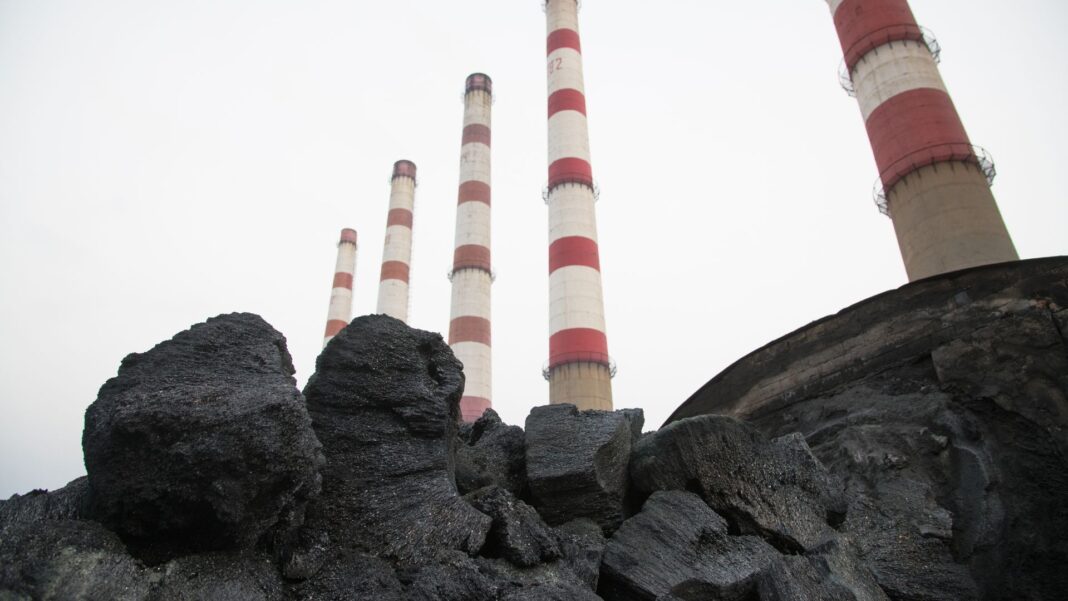

Indonesia’s Ministry of Energy and Mineral Resources said on September 21, 2026, in Jakarta that it will follow up on President Prabowo Subianto’s directive to produce gasoline from domestic coal, two days after the President announced the goal. The plan extends Indonesia’s coal downstreaming policy into liquid fuels as the government seeks to cut fuel imports amid geopolitical uncertainty, although no technology, partner, timeline or investment figure has been announced.
Key Facts At A Glance
- President Prabowo Subianto announced the coal-to-gasoline goal on September 19, 2026, at the centenary of Pondok Modern Darussalam Gontor in Ponorogo, East Java.
- Energy and Mineral Resources Minister Bahlil Lahadalia said on September 21, 2026, that the ministry will act on the directive.
- The stated aims are stronger energy security, less reliance on imported fuel and keeping foreign exchange in the country.
- The ministry is looking at low-calorie coal as the main feedstock.
- Ministry officials said the technology is still being evaluated and no partner has been chosen.
- Several companies have offered technology cooperation, and similar technology has been applied in China.
- Coal generates nearly 65 percent of Indonesia’s electricity, and PLN needs 154 million tons of coal in 2026.
Indonesia’s Ministry of Energy and Mineral Resources (ESDM) is preparing to use the country’s coal reserves to make gasoline. Minister Bahlil Lahadalia confirmed the ministry is ready to carry out President Prabowo Subianto’s directive to begin coal-to-fuel production, and said the directive will be followed up by optimizing all domestic energy sources. Bahlil spoke on Monday, September 21, 2026, on the sidelines of a blood donation event held by the Directorate General of Minerals and Coal in Jakarta.
The directive came two days earlier. President Prabowo raised the plan on Saturday, September 19, 2026, at the reception marking the 100th anniversary of Pondok Modern Darussalam Gontor in Ponorogo, East Java, where he stressed food and energy self-sufficiency and said the government would make gasoline from coal after succeeding in producing diesel from palm oil.
Rationale And Feedstock
Bahlil said the President’s instruction to produce gas and oil from coal stems from concerns over global geopolitical uncertainty. He added that the step is aimed at strengthening energy security and freeing Indonesia from fuel imports. Bahlil also said processing coal into gasoline would help optimize domestic energy resources and keep foreign exchange within the country.
The ministry is focusing on lower-grade coal. Bahlil said current technology allows low-calorie coal to be converted into gas and oil. He noted that similar technology has been applied in China and that a number of companies have submitted cooperation offers to the government.
Technology Still Under Study
Publicly available details remain limited. Reporting indicates the technological basis for the plan is still under study, with no final decision on the technology to be used or on the partner that would carry out the project. A ministry official said on September 21 that several options were being evaluated and that the choice of technology mattered more than the partner’s country of origin. The same official cited South Africa, where Sasol has liquefied coal since the apartheid-era sanctions period and currently produces roughly 300,000 barrels per day.
No production volume, capital cost, site or commissioning schedule has been announced.
Coal’s Role In The Power System
The directive adds a potential new source of demand for a fuel that already underpins Indonesia’s grid. Coal generates nearly 65 percent of the country’s electricity. Ministry data show state utility PLN requires 154 million tons of coal in 2026, of which 134 million tons have been secured under contracts and 18.13 million tons remain under administrative coordination. The ministry has not said whether coal allocated to fuel production would be drawn from the low-calorie grades that PLN currently uses.