

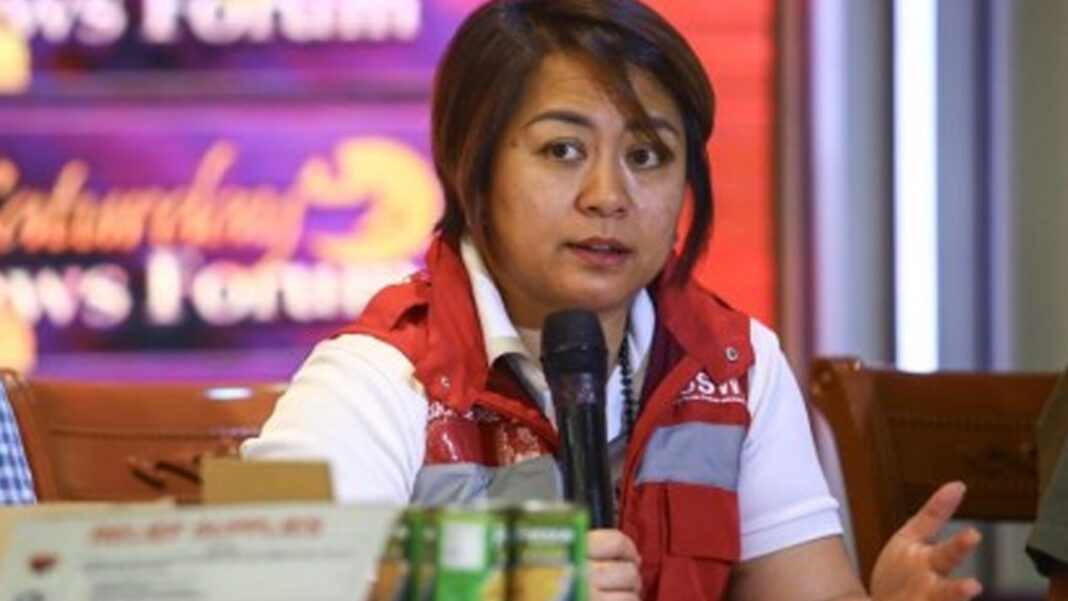

The Department of Social Welfare and Development’s (DSWD) Walang Gutom Program (WGP) not only addresses involuntary hunger among food-poor families but also creates market opportunities for small enterprises and associations supported through the DSWD’s Sustainable Livelihood Program (SLP).
“Ang Walang Gutom Program po ay hindi lamang tungkol sa pagtugon sa kagutuman. Bahagi rin ng disenyo nito ang paglikha ng oportunidad para sa ating mga maliliit na producers, farmers’ groups, kooperatiba, at SLP associations (The WGP is not only a response to hunger. Part of the design is creating opportunities for our small producers, farmers’ groups, cooperatives and SLP associations),” DSWD spokesperson Assistant Secretary Irene Dumlao said in a news release on Wednesday.
“Sa ganitong paraan, habang may access sa pagkain ang ating mga beneficiaries, nagkakaroon din ng siguradong merkado ang ating mga kababayang nagsisikap maghanapbuhay. At wala nang middleman, so siguradong protektado yung mga magsasaka at SLPAs natin (Through this, while our beneficiaries have access to food, our countrymen striving to earn a living are assured of a market. And there are no more middlemen are, so, our farmers and SLPAs are protected),” she added.
SLPAs are groups of beneficiaries of the DSWD’s SLP, which gives seed capital funds and livelihood training to its participants.
At present, 49 SLPAs are accredited as merchants and retailers under the WGP.
Under the WGP, food-poor families receive PHP3,000 monthly food credits through their electronic benefit transfer (EBT) cards. These food credits may be used to purchase nutritious food items only from accredited merchants and retailers during food redemption activities.
Dumlao said the participation of SLPAs in the WGP is part of the DSWD’s efforts to link its programs and maximize opportunities for vulnerable communities.
“Ito po ang gusto nating mangyari, na habang tinutugunan natin ang kagutuman, nakakatulong din tayo sa kabuhayan. Hindi hiwalay ang ating mga programa (This is what we want to happen, that as we address hunger, we are also providing livelihood. Our programs are not separate). We want our interventions to complement each other so that the assistance we provide can create a longer-term impact on families and communities,” she said.
As the social protection landscape remains dynamic, Dumlao said the DSWD will continue to innovate and find ways to better implement its various programs and services to make them more relevant and more responsive to the needs of the vulnerable sectors.
The WGP is the flagship anti-hunger program of the Philippine government, which is aligned with the directive of President Ferdinand R. Marcos Jr. to combat hunger and reduce the incidence of involuntary hunger among Filipino families. (PNA)