

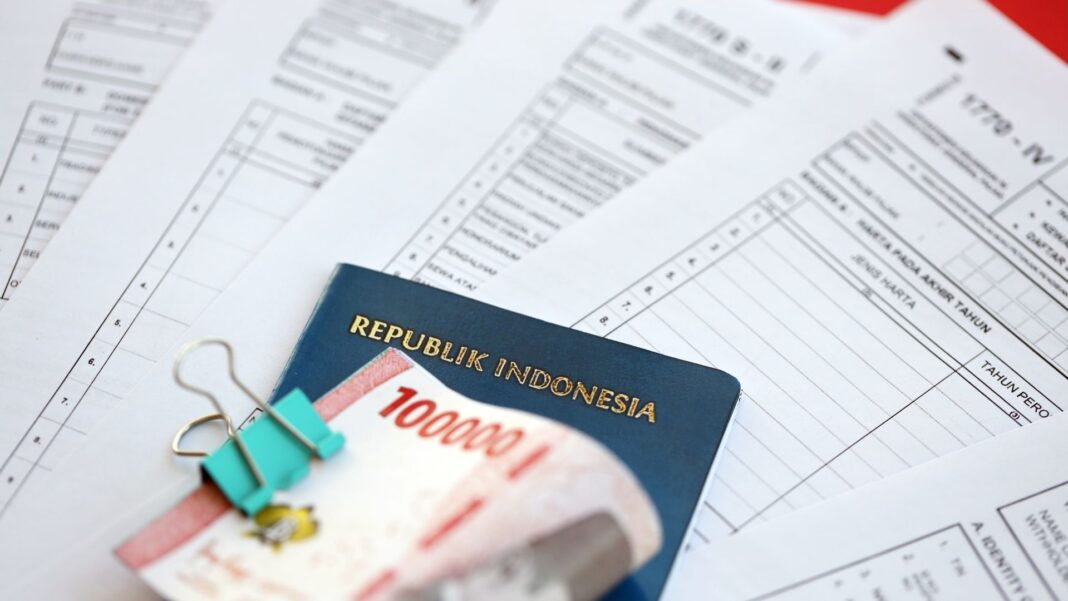

Indonesia’s immigration authorities are drafting a new visa category to separate commercial digital content production from journalistic work performed by foreign visitors. The proposed C5A visa remains under interagency review and has not yet taken effect.
Key Facts At A Glance
- Indonesia’s Directorate General of Immigration is proposing a new C5A visa for foreign content creators
- The category is designed to distinguish commercial content production from journalism
- The existing C5 journalist visa will continue to apply to foreign media professionals on reporting assignments
- The C5 visa requires press credentials and documentation tied to journalistic assignments
- Until the C5A is implemented, foreign creators must use other applicable categories, such as the C14 visa, for production activities
- The proposal is still being reviewed by the Ministry of Foreign Affairs and other government agencies before further approval
- No implementation date has been set
Indonesia is preparing a new visa category aimed specifically at foreign content creators, as immigration authorities look to draw a clearer administrative line between commercial digital content production and journalistic work carried out by visiting media professionals.
The proposed C5A content creator visa would apply to foreign visitors travelling to Indonesia to produce digital content, including promotional work undertaken with local businesses and brands. It would sit alongside the existing C5 journalist visa, which continues to apply to foreign journalists carrying out reporting assignments in the country.
Happy Reza Dipayuda, head of sub-directorate for visa services at the Directorate General of Immigration, part of Indonesia’s Ministry of Immigration and Corrections, said the two categories reflect different types of activity and different obligations. Journalists work for media organisations and follow journalistic codes of conduct, he noted, while content creators typically produce material for commercial purposes.
Under the current system, foreign journalists use the C5 visa for activities such as news reporting, documentary production, interviews and event coverage carried out for recognised media organisations. Applicants are generally required to submit press credentials and assignment-related documentation, and are expected to follow professional journalistic standards while working in the country.
Dipayuda said the growing volume of international content creators working in Indonesia has highlighted the need for a distinct visa pathway. He noted that while many creators are not journalists, their content can reach large audiences and shape public perception, and the proposed C5A visa is intended to give this activity a clearer regulatory home.
The proposal has not yet been finalized. Dipayuda said it remains under review by Indonesia’s Ministry of Foreign Affairs and other government agencies, and would require further approval before implementation.
In the interim, foreign visitors producing content in Indonesia must continue to rely on existing categories, such as the C14 visa for certain production-related activities, while the C5 journalist visa remains reserved for foreign media professionals on journalistic assignments.