

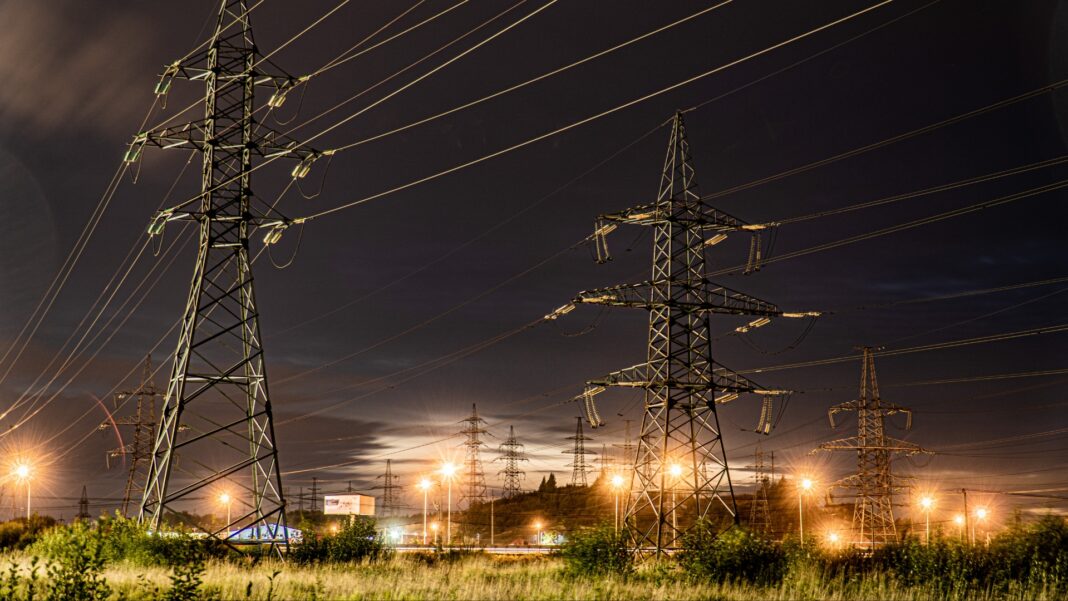

Thailand’s Energy Regulatory Commission has proposed raising the electricity fuel adjustment charge for September to December 2026, with the overall tariff potentially climbing from 3.95 baht to as high as 4.73 baht per unit. The increase stems from rising natural gas costs and the need to repay accumulated debt owed to the Electricity Generating Authority of Thailand, and is now open for public consultation through July 20.
Key Facts At A Glance
- Current electricity tariff: 3.95 baht per unit, in effect through the end of August 2026
- Proposed fuel adjustment charge (Ft) could rise from 0.16 baht to as high as 0.94 baht per unit, nearly a fivefold increase
- Base tariff remains fixed at 3.78 baht per unit across all four proposed scenarios
- Highest proposed option: 4.73 baht per unit total tariff, enabling full repayment of debt owed to EGAT
- Debt owed to EGAT stands at 31.2 billion baht
- Four scenarios under consultation range from 3.95 to 4.73 baht per unit
- Lowest-cost scenario would keep the tariff unchanged but requires clawing back 16.1 billion baht in unused agency funds
- ERC board expected to finalize the new Ft rate by September 2026
Thailand’s Energy Regulatory Commission (ERC) is seeking public input on a proposed sharp increase to the country’s electricity fuel adjustment charge, commonly known as the Ft, for the four-month billing period beginning in September 2026. ERC secretary-general Poonpat Leesombatpiboon said the increase is being driven primarily by projected higher fuel costs and the need to reimburse EGAT for billions of baht spent on past electricity price subsidies.
Under the current schedule, Thai households and businesses pay a combined tariff of 3.95 baht per unit, made up of a fixed base tariff and the variable Ft component, which the ERC recalculates every four months to reflect changes in fuel prices, electricity imports, foreign exchange rates and policy-related expenses. The Ft mechanism has fluctuated significantly over recent years depending on global gas market conditions.
The ERC has put forward four possible tariff scenarios for public comment. The highest option would push the Ft to 0.94 baht per unit, bringing the total tariff to 4.73 baht and allowing the government to fully clear EGAT’s outstanding 31.2 billion baht debt in one period. A second option would set the tariff at 4.25 baht while deferring part of the debt repayment, and a third would land at 4.20 baht, reflecting a somewhat lower gas price projection alongside a similarly deferred repayment schedule. The fourth and lowest-cost scenario would hold the tariff at its current 3.95 baht level, but would require state electricity agencies to claw back 16.1 billion baht in unused budget reserves to offset the cost.
Poonpat said the pool gas price, a weighted average of natural gas sourced from the Gulf of Thailand, Myanmar and imported liquefied natural gas, underpins the fuel cost projections behind each scenario. Thailand relies heavily on natural gas for power generation, which has made its tariff structure sensitive to international gas market volatility in recent periods.
Public consultation on the four options is open on the ERC’s website until July 20, after which the commission’s board is expected to finalize the new Ft rate by September, ahead of the new billing period taking effect. Publicly available reporting on this specific proposal currently traces to a single wire report; further detail on how the final scenario will be selected has not yet been published.